
When you first step into the dark, mysterious world of The Serpent Rogue, it doesn’t take long to realize that survival isn’t enough. If you want to thrive, you need something more—something sharper. That’s where competitive edge the serpentrogue truly comes into play.
Whether you’re battling corruption, mastering alchemy, or navigating hostile environments, gaining a competitive edge the serpentrogue isn’t about brute strength. It’s about knowledge, preparation, and strategic thinking. This guide breaks down exactly how to outperform enemies, optimize your build, and control every encounter like a seasoned Warden.
In this in-depth guide, you’ll learn how mechanics interconnect, where most players make costly mistakes, and how to convert small advantages into long-term dominance. Let’s begin.
Table of Contents
Understanding Competitive Edge in The Serpent Rogue
Core Mechanics That Shape Your Advantage
Alchemy Mastery: The Foundation of Competitive Edge The SerpentRogue
Combat Strategy and Enemy Manipulation
Environmental Control and Corruption Management
Resource Economy and Inventory Optimization
Character Progression and Strategic Builds
Risk vs Reward: Playing Smarter, Not Harder
Personal Background of The Serpent Rogue Development
FAQ
Conclusion
Understanding Competitive Edge in The Serpent Rogue
In gaming terms, a “competitive edge” typically means outperforming others. But The Serpent Rogue isn’t a PvP shooter—it’s a systemic action-adventure survival experience developed by Sengi Games and published by Team17.
So what does competitive edge the serpentrogue actually mean?
It means:
- Maximizing efficiency in combat
- Using alchemy proactively rather than reactively
- Managing corruption before it spirals
- Turning enemies into tools
- Creating sustainable resource loops
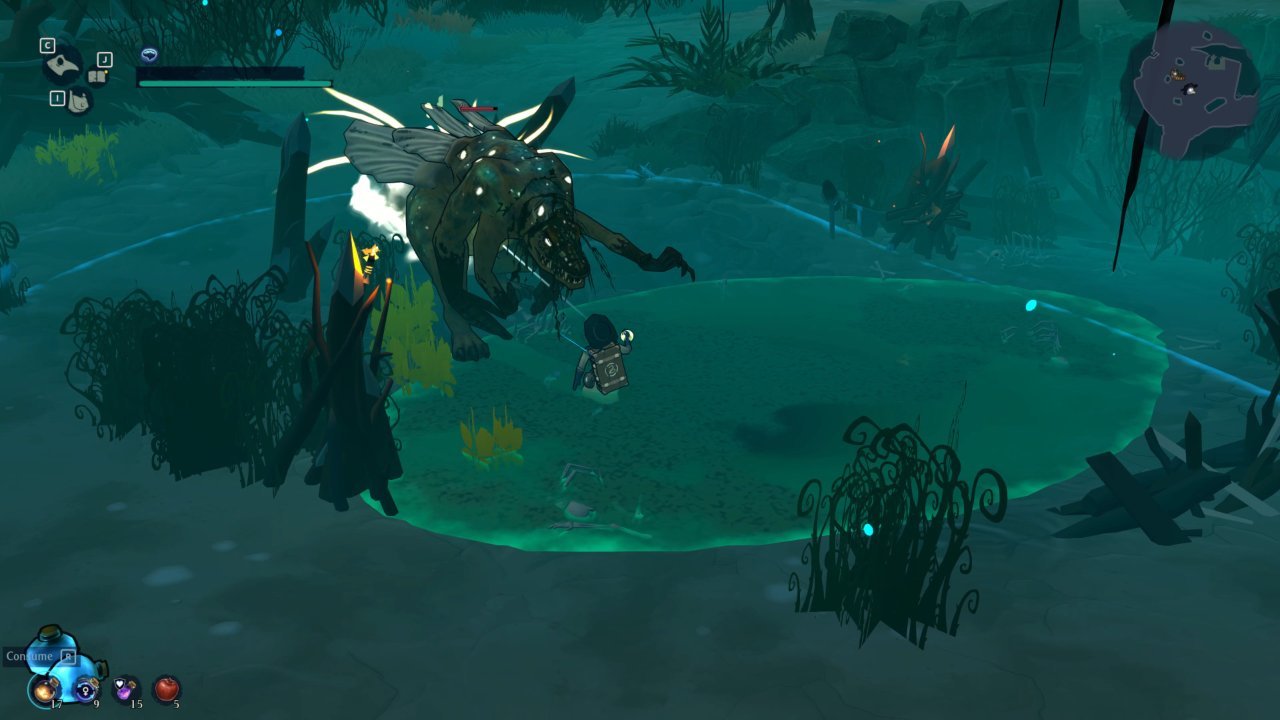
The game punishes carelessness and rewards planning. Every potion brewed, every corpse left unattended, every storm ignored—it all compounds.
That compounding effect is where your edge is either built… or lost.
Core Mechanics That Shape Your Advantage
Before you can truly gain a competitive edge the serpentrogue, you must understand how its systems interact.
Corruption System
Corruption spreads dynamically. If left unchecked:
- Enemies grow stronger
- Environmental hazards multiply
- Loot becomes riskier to obtain
However, corruption can also be manipulated. Advanced players intentionally allow limited corruption to farm rare materials before cleansing zones.
That balance is crucial.
Reputation and NPC Reactions
NPCs respond to your actions. Selling corrupted items, failing to maintain areas, or allowing creatures to roam can affect how the world reacts to you.
Strategic reputation management contributes directly to competitive edge the serpentrogue because allies provide stability in chaotic runs.
Alchemy Mastery: The Foundation of Competitive Edge The SerpentRogue
Alchemy isn’t optional. It’s the backbone of your power curve.
Understanding Ingredient Properties
Each ingredient has:
- Primary traits
- Secondary attributes
- Hidden interactions
Experimentation reveals properties over time. Keeping detailed notes (even outside the game) drastically improves long-term efficiency.
High-Impact Potion Categories
To gain competitive edge the serpentrogue, prioritize:
- Transformation Potions – Turn into creatures to bypass combat
- Corruption Cleansers – Stabilize zones
- Combat Enhancers – Temporary stat boosts
- Summoning Mixtures – Tactical distractions
Infographic: Alchemy Strategy Framework
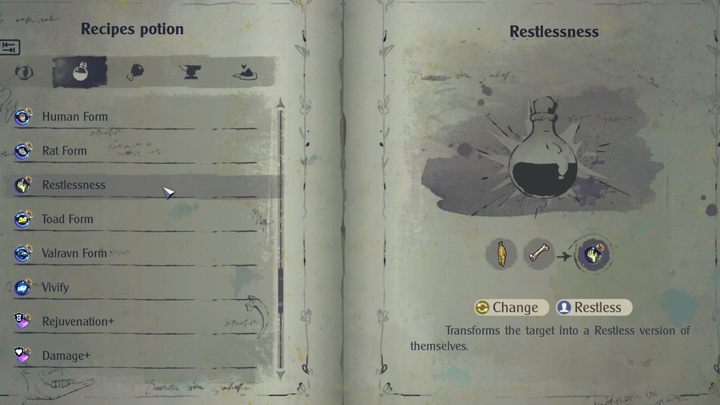
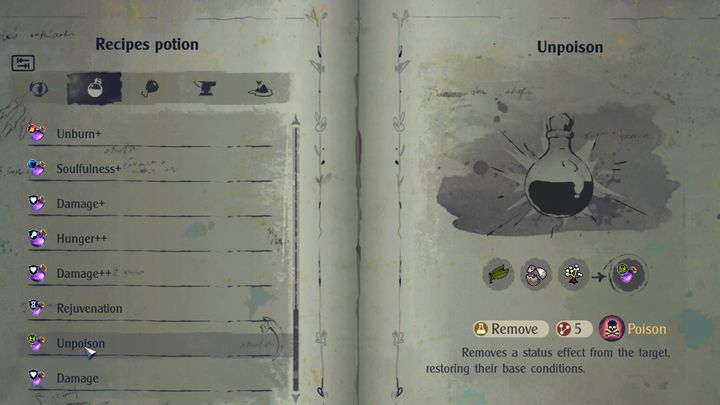
The strongest players don’t spam potions. They plan potion chains. One transformation leads into environmental manipulation, followed by combat avoidance.
That layered approach defines competitive edge the serpentrogue at higher difficulty tiers.
Combat Strategy and Enemy Manipulation
Direct combat is rarely optimal.
Crowd Control Over Raw Damage
Instead of engaging head-on:
- Use summoned creatures as shields
- Lure enemies into environmental hazards
- Let corrupted monsters weaken each other
You conserve durability and reduce risk.
AI Exploitation Tactics
Enemies follow predictable aggression patterns. Skilled players:
- Trigger patrols intentionally
- Separate groups
- Use terrain chokepoints
These micro-decisions build cumulative advantage.
Environmental Control and Corruption Management
Corruption storms escalate unpredictably.
To maintain competitive edge the serpentrogue:
- Monitor storm cycles
- Pre-clear high-risk zones
- Avoid unnecessary corpse accumulation
Leaving bodies unchecked accelerates corruption. It sounds small—but over multiple runs, it snowballs.
Strategic zone maintenance reduces difficulty spikes later.
Resource Economy and Inventory Optimization
Inventory mismanagement is the silent killer.
Smart Storage Strategy
Maintain separate storage categories:
- Ingredients
- Potions
- Gear upgrades
- Corrupted materials
Never carry excess low-value loot.
Economic Loop Optimization
Sell intelligently. Some materials fluctuate in value based on corruption spread and world state.
Veteran players build cyclical resource routes—gather, brew, sell, cleanse, repeat.
That sustainable loop defines competitive edge the serpentrogue in mid-game progression.
Character Progression and Strategic Builds
While the Warden doesn’t follow traditional RPG leveling, your build evolves through:
- Equipment
- Potion synergy
- Companion control
- Knowledge accumulation
Build Archetypes
- Alchemy Dominator – Heavy potion reliance
- Corruption Farmer – Risk-tolerant, high reward
- Control Strategist – Manipulates environment
- Minimalist Survivor – Low resource dependency
Each archetype supports a different path toward competitive edge the serpentrogue.
Risk vs Reward: Playing Smarter, Not Harder
One of the biggest mistakes new players make is over-cleansing.
In reality, moderate corruption can:
- Increase loot rarity
- Spawn rare enemies
- Provide advanced ingredients
However, pushing too far creates exponential difficulty spikes.
Elite players operate within controlled chaos.
Personal Background of The Serpent Rogue Development
The Serpent Rogue was developed by Sengi Games, a Ukrainian indie studio focused on systemic gameplay and emergent storytelling.
Published by Team17—known for titles like Overcooked and Worms—the game launched with a strong emphasis on sandbox survival mechanics.
Development Philosophy
The team aimed to:
- Create interconnected systems
- Reward experimentation
- Punish linear playstyles
While exact revenue figures aren’t public, indie titles under Team17 often generate multi-million dollar lifecycle revenue through digital sales and seasonal promotions.
The game’s niche appeal helped it cultivate a dedicated player base rather than mass-market saturation.
FAQ
What does competitive edge the serpentrogue actually mean?
It refers to gaining systemic advantage through alchemy, resource management, corruption control, and combat efficiency.
How often should I cleanse corruption?
Only when it threatens long-term stability. Controlled corruption can be beneficial.
Is combat-focused play viable?
Yes, but it’s resource intensive. Strategic manipulation is more sustainable.
What’s the best potion type for beginners?
Transformation potions. They provide flexibility and reduce direct combat risk.
Can you farm rare ingredients reliably?
Yes—by managing corruption levels intentionally and targeting storm cycles.
Does inventory size limit progression?
Indirectly. Poor inventory control increases risk exposure and resource waste.
Is The Serpent Rogue difficult?
It’s punishing early on. However, once you understand system interplay, difficulty becomes manageable.
How long does it take to master?
Roughly 20–30 hours for core systems, but mastery can take 50+ hours depending on playstyle.
Conclusion
Mastering competitive edge the serpentrogue isn’t about reflex speed. It’s about foresight.
The game rewards patience, experimentation, and layered strategy. Every potion brewed with intention, every storm anticipated, every enemy manipulated instead of attacked—those small advantages stack.
In reality, The Serpent Rogue mirrors life in an interesting way. Chaos always exists. You can fight it blindly… or learn to shape it.
Choose the latter, and you won’t just survive.
About The Author