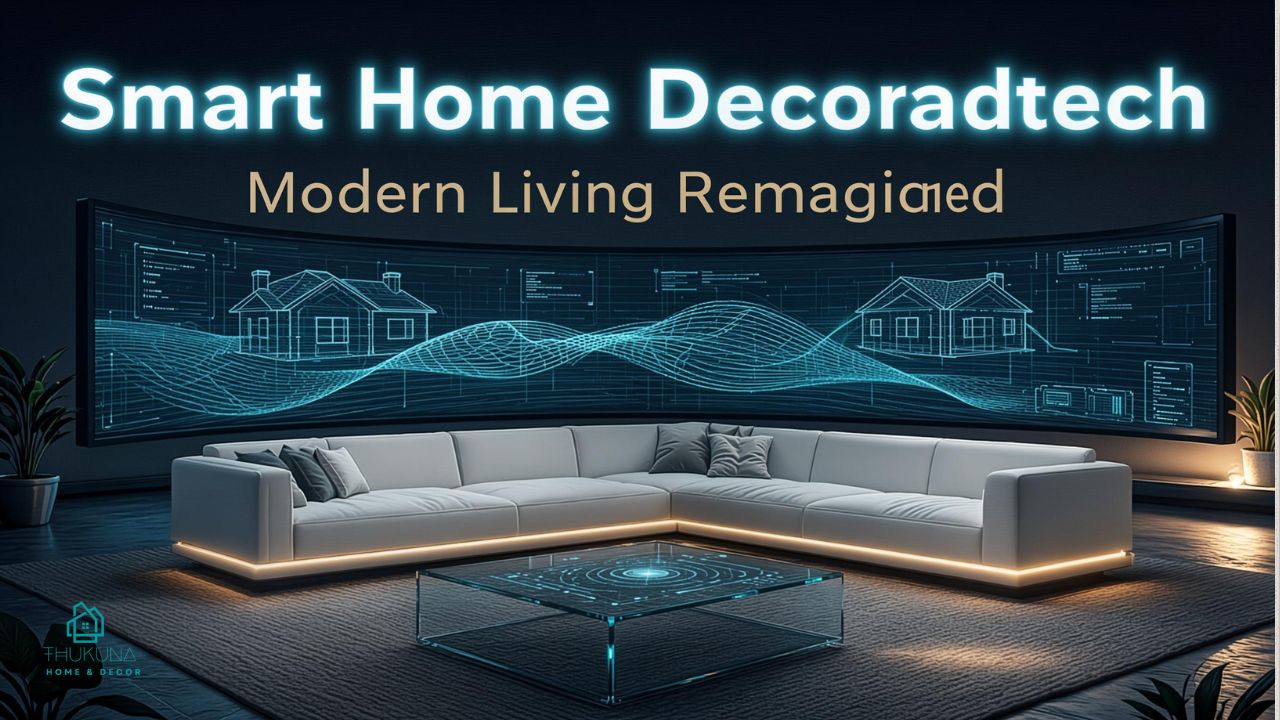
The future of living isn’t coming—it’s already here. Imagine walking into your home and the lights adjust automatically, the temperature feels just right, and your favorite playlist softly fades in. That seamless experience is what smart home decoradtech is all about: merging technology with interior aesthetics in a way that feels natural, not mechanical.
In today’s fast-paced world, homeowners crave comfort, efficiency, and style in equal measure. <strong>smart home decoradtech</strong> blends intelligent systems with thoughtful design so your space doesn’t just look beautiful—it thinks for you. From AI-driven lighting to voice-controlled furniture, the evolution is remarkable.
Why does this matter? Because modern homes are no longer static spaces. They are responsive environments. And as technology becomes more intuitive, integrating smart solutions into interior design is quickly shifting from luxury to necessity.


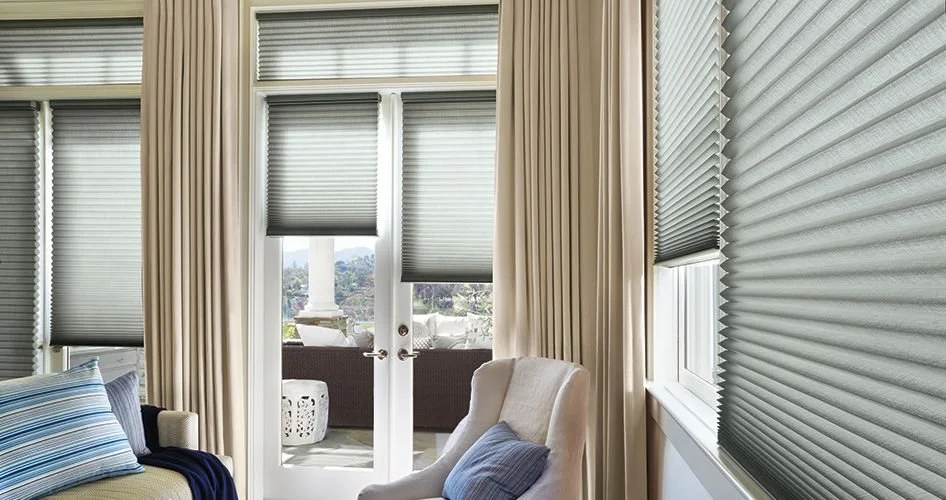
Table of Contents
What Is Smart Home Decoradtech?
The Evolution of Smart Home Decoradtech
Core Technologies Behind Smart Living
Smart Home Decoradtech in Interior Design
Benefits of Smart Home Decoradtech
Real-Life Applications and Case Studies
Smart Home Decoradtech for Different Rooms
Cost, Investment, and ROI
Personal Background: The Rise of Decoradtech Innovators
Common Challenges and How to Solve Them
Future Trends in Smart Home Decoradtech
FAQs
Conclusion
What Is Smart Home Decoradtech?
At its core, smart home decoradtech refers to the integration of intelligent technology within interior design to enhance comfort, efficiency, and visual appeal. It goes beyond installing gadgets. Instead, it harmonizes:
- IoT-enabled devices
- Automated lighting and climate systems
- Voice assistants
- AI-driven personalization
- Seamless design aesthetics
Unlike traditional smart home setups that focus purely on functionality, smart home decoradtech prioritizes both utility and style.
Definition
Smart home decoradtech is the strategic combination of automation technology and interior decor principles to create responsive, visually cohesive living environments.
The Evolution of Smart Home Decoradtech
Just a decade ago, smart homes meant bulky devices and complex wiring. Today, advancements in IoT (Internet of Things), wireless connectivity, and artificial intelligence have transformed the landscape.
From Gadgets to Lifestyle
Early adopters installed smart thermostats or security cameras. However, the modern approach focuses on holistic ecosystems where lighting, entertainment, climate control, and security work together.
By 2025, global smart home revenue is projected to exceed $230 billion, according to industry reports. That growth reflects a shift in consumer expectations.
In reality, people want homes that anticipate needs—not just respond to commands.
Core Technologies Behind Smart Living
Understanding the technological backbone helps you make informed decisions.
1. Internet of Things (IoT)
IoT connects devices through the internet, allowing communication between lighting, appliances, sensors, and control hubs.
2. Artificial Intelligence
AI analyzes user behavior and automates preferences. For example:
- Adjusting lighting based on time of day
- Optimizing energy consumption
- Learning temperature preferences
3. Voice Assistants
Systems like voice-controlled hubs allow hands-free control. This enhances accessibility and convenience.
4. Smart Sensors
Motion sensors, humidity detectors, and light sensors create automated responses, increasing efficiency.
Smart Home Decoradtech in Interior Design
Technology alone isn’t enough. It must blend into the environment.
Seamless Integration
Hidden wiring, minimalistic panels, and embedded lighting strips ensure devices do not disrupt design harmony.
Smart Lighting Design
Lighting dramatically influences mood. With smart home decoradtech, homeowners can:
- Create preset lighting scenes
- Adjust brightness remotely
- Sync lighting with music or movies
Smart Furniture
Modern pieces now include:
- Charging ports
- Built-in speakers
- Adjustable ergonomic controls
However, good design ensures these features remain discreet.
Benefits of Smart Home Decoradtech
Why are homeowners investing heavily in smart home decoradtech?
1. Energy Efficiency
Smart thermostats and lighting systems reduce electricity bills by optimizing usage.
2. Enhanced Security
Remote monitoring, smart locks, and real-time alerts increase safety.
3. Comfort & Convenience
Imagine blinds that adjust automatically at sunrise. Small features create major lifestyle improvements.
4. Property Value Increase
Homes with integrated technology often command higher resale value.
5. Personalization
AI-driven systems adapt to your routines, offering a deeply personalized living experience.
Real-Life Applications and Case Studies
Consider a family upgrading a suburban home. After implementing smart home decoradtech:
- Energy bills dropped by 25%
- Security incidents reduced
- Daily routines became automated
Another example: A luxury apartment integrated smart mirrors displaying weather and calendar updates. It enhanced both functionality and aesthetic appeal.
These examples illustrate how smart home decoradtech impacts everyday living.
Smart Home Decoradtech for Different Rooms
Living Room
- Smart entertainment systems
- Automated lighting scenes
- Climate zoning
Kitchen
- Smart refrigerators
- Voice-controlled appliances
- Motion-activated faucets
Bedroom
- Sleep-tracking lighting
- Automated blackout blinds
- Smart air purification systems
Bathroom
- Digital shower controls
- Temperature-regulated floors
- Smart mirrors
Each room offers opportunities for innovation.
Cost, Investment, and ROI
Implementing smart home decoradtech varies in cost.
| Level | Estimated Cost | Features |
|---|---|---|
| Basic | $1,500–$5,000 | Smart lighting, thermostat |
| Mid-Range | $5,000–$20,000 | Integrated automation |
| Luxury | $20,000+ | Full AI ecosystem |
Although initial investment can be significant, energy savings and property appreciation often offset costs.
Personal Background: The Rise of Decoradtech Innovators
The smart home revolution didn’t happen overnight. It evolved through the collaboration of interior designers, software engineers, and IoT specialists.
Many early pioneers came from tech backgrounds but later partnered with architects to create balanced environments. These innovators recognized that cold, clinical tech setups would never gain mainstream appeal.
Their achievements include:
- Patent development for smart lighting systems
- AI-based automation platforms
- Sustainable smart home frameworks
Financially, successful startups in this niche have seen valuations in the hundreds of millions, reflecting strong market demand.
Common Challenges and How to Solve Them
Despite its advantages, smart home decoradtech comes with challenges.
1. Compatibility Issues
Solution: Choose devices within the same ecosystem.
2. Cybersecurity Risks
Solution: Use encrypted networks and strong authentication protocols.
3. Overcomplication
Sometimes less is more. Focus on features that truly enhance daily life.
Future Trends in Smart Home Decoradtech
Looking ahead, we can expect:
- AI-driven emotional lighting
- Sustainable energy integration
- Biometric home access
- Predictive maintenance alerts
In the coming years, smart home decoradtech will likely become standard in new construction projects.
FAQs
What makes smart home decoradtech different from regular smart homes?
It integrates aesthetic design with intelligent systems, focusing on seamless decor integration.
Is smart home decoradtech expensive?
Costs vary. Entry-level systems are affordable, while full automation requires higher investment.
Can I retrofit an old home?
Yes. Many wireless solutions allow integration without major renovations.
Does it increase home value?
Yes. Buyers increasingly prefer tech-enabled homes.
Are smart systems secure?
Modern systems include encryption, but secure networks are essential.
How energy-efficient is it?
Automation can reduce energy usage by 15–30%.
Can I control everything remotely?
Yes, through mobile apps and cloud-based platforms.
Is it suitable for small apartments?
Absolutely. Compact systems are designed for smaller spaces.
Conclusion
Homes are evolving from passive structures into intelligent environments. Smart home decoradtech represents the intersection of technology and design, offering comfort, efficiency, and style in equal measure.
As innovation accelerates, adopting these solutions is no longer about luxury—it’s about future readiness. Whether you start small with smart lighting or invest in a full ecosystem, the journey toward a responsive home begins with thoughtful integration.
The smartest homes are not the ones filled with gadgets. They’re the ones where technology feels invisible, natural, and deeply human.
About The Author