
Introduction
It looks peaceful from a distance — mist rising into the air, sunlight breaking through droplets like scattered diamonds. But behind that beauty lies a dangerous question: what happens if you fall into follheur waterfall?
If you’ve ever stood near a powerful waterfall, you’ve probably felt it — the vibration in the ground, the roar in your chest, the subtle warning nature gives before things go wrong. Understanding what happens if you fall into follheur waterfall isn’t just curiosity; it’s about survival, physics, and real human risk.
Waterfalls are among the most deceptively dangerous natural formations on Earth. People underestimate them because they look scenic, almost inviting. In reality, they combine height, force, unstable rock, unpredictable currents, and cold shock into a potentially lethal scenario.
Let’s break this down carefully and realistically.

The Anatomy of Follheur Waterfall
Before analyzing what happens if you fall into follheur waterfall, we need to understand how waterfalls function.
A waterfall typically consists of:
- A vertical or steep drop
- A plunge pool at the base
- High-velocity water flow
- Aerated, turbulent water
- Slippery rock formations
- Undercuts and hidden rock shelves
Water accelerates as it falls. By the time it hits the base, it carries enormous kinetic energy. The plunge pool is often deeper than surrounding water, but depth varies dramatically depending on seasonal rainfall and erosion patterns.
Many waterfalls also have something known as a “hydraulic” or “keeper current.” This is a circular water motion that can trap a person underwater.
In reality, waterfalls are dynamic systems — not static scenic backdrops.
What happens if you fall into follheur waterfall: The Immediate Impact
When asking what happens if you fall into follheur waterfall, the first critical factor is height.
The Fall Itself
If the waterfall is:
- Under 20 feet → injuries may include fractures, dislocations, or head trauma.
- 20–50 feet → high risk of spinal injury, internal bleeding.
- Over 50 feet → water can feel like concrete due to impact velocity.
Water isn’t soft at high speeds. Upon impact, the surface tension and velocity create extreme force. Many victims lose consciousness instantly.
The Shock Response
Even if impact doesn’t cause fatal injury, cold shock can:
- Trigger involuntary gasping
- Cause hyperventilation
- Lead to water inhalation
- Spike heart rate dangerously
Within seconds, breathing control can be lost.
This is where what happens if you fall into follheur waterfall becomes more about physiology than the fall itself.
Water Force, Depth, and Physics Explained
Let’s break down the physics.
When water falls, it converts potential energy into kinetic energy. The formula:
Velocity = √(2gh)
Where:
- g = gravitational acceleration
- h = height of fall
At just 30 feet, water can hit with tremendous force.
Table: Impact Risk by Height
| Height of Fall | Risk Level | Likely Injuries |
|---|---|---|
| 10–20 ft | Moderate | Bruises, minor fractures |
| 20–40 ft | High | Broken bones, concussion |
| 40–80 ft | Severe | Spinal damage, internal bleeding |
| 80+ ft | Extreme | Fatal impact likely |
However, height alone doesn’t determine survival.
Water density increases when aerated. Paradoxically, heavy turbulence can sometimes reduce surface tension slightly — but it also reduces buoyancy.
So when discussing what happens if you fall into follheur waterfall, turbulence plays a massive role.
Hidden Dangers Beneath the Surface
Most people think the danger ends after impact. It doesn’t.
Hydraulic Currents (The “Washing Machine” Effect)
Waterfall bases often create recirculating currents that:
- Pull objects downward
- Spin them repeatedly
- Prevent resurfacing
Victims can be trapped underwater for minutes.
Submerged Rocks
Erosion creates hidden ledges and jagged rock formations. A person may:
- Strike rocks mid-fall
- Be forced into crevices
- Become pinned by current
This dramatically increases mortality risk.
Hypothermia
Waterfall plunge pools are often:
- Fed by snowmelt
- Deep and cold
- Shaded from sunlight
Cold water immersion can:
- Cause muscle failure in 5–10 minutes
- Reduce swimming ability rapidly
- Lead to cardiac arrest in extreme cases
When analyzing what happens if you fall into follheur waterfall, the underwater environment is often deadlier than the fall.
Survival Odds: What Determines Life or Death
Not every fall is fatal. Survival depends on several factors:
1. Height of the Drop
2. Depth of Plunge Pool
3. Physical Fitness
4. Ability to Swim
5. Immediate Rescue Availability
6. Consciousness After Impact
Real-life waterfall survival cases show:
- Strong swimmers still drown due to currents.
- People who land feet-first reduce injury risk.
- Wearing heavy clothing increases drowning probability.
However, even experienced hikers underestimate waterfall power.
Understanding what happens if you fall into follheur waterfall is about probabilities, not guarantees.
Rescue Challenges and Realistic Outcomes
Rescue operations near waterfalls are extremely complex.
Challenges include:
- Slippery terrain
- Limited visibility
- Strong noise preventing communication
- Powerful downstream currents
Rescue teams often require:
- Ropes
- Technical climbing equipment
- Divers
- Helicopter assistance (in remote areas)
In many real incidents globally, recovery — not rescue — becomes the objective.
That said, survival stories do exist, especially in lower-height falls.
Personal Background of Similar Waterfall Incidents
While there may not be documented celebrity cases tied specifically to Follheur Waterfall, similar waterfall accidents worldwide show patterns.
Many victims share common traits:
- Young adventure seekers
- Tourists unfamiliar with terrain
- Social-media-driven risk-taking
- Alcohol involvement in some cases
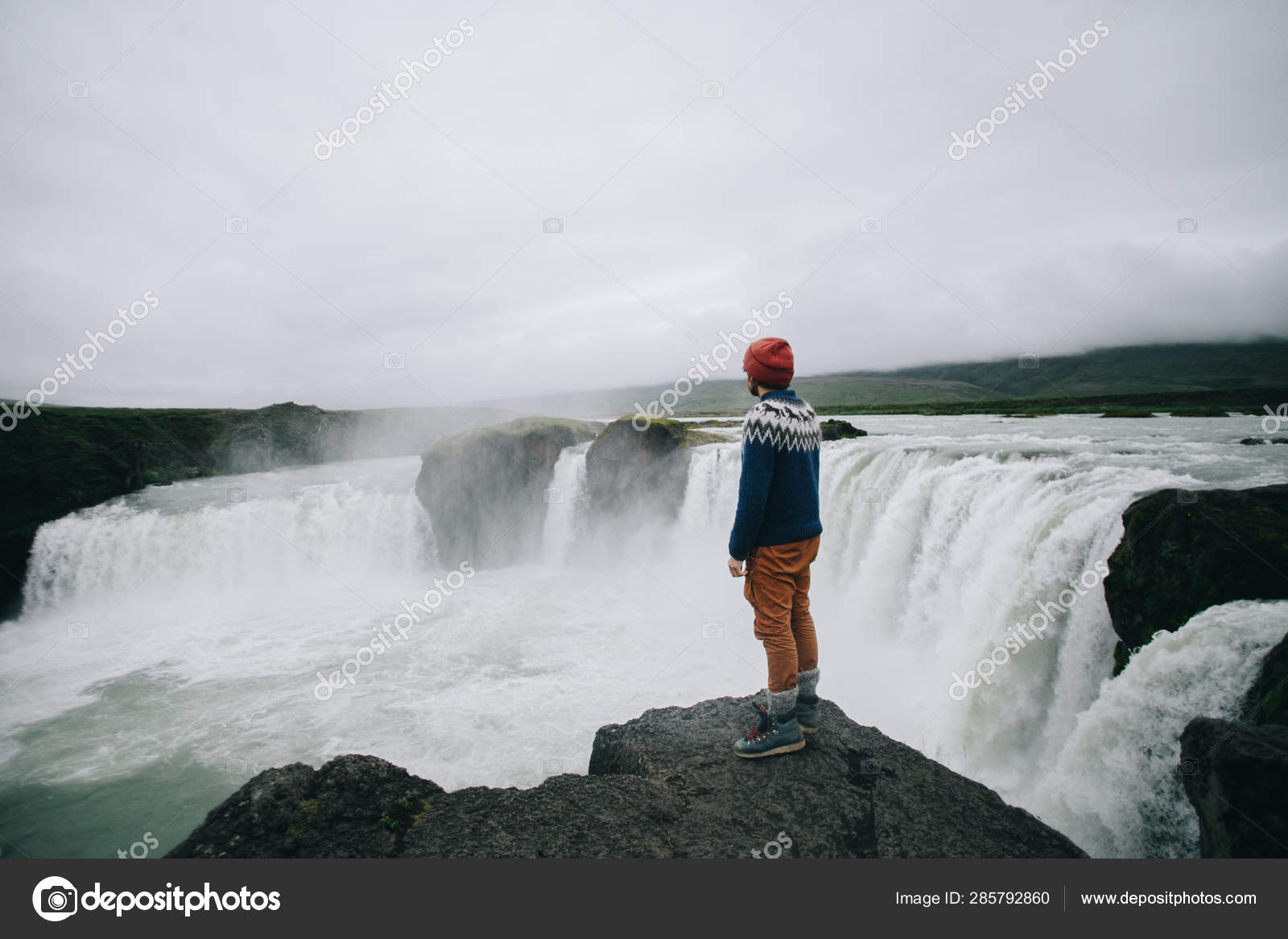
Outdoor influencers sometimes portray waterfall edges as safe photo spots. In reality, most national parks report injuries annually from:
- Slips
- Cliff falls
- Sudden flash floods
These cases often involve individuals with no prior outdoor safety training.
Financially, rescue operations cost thousands of dollars. Families face medical expenses, lost wages, and long-term rehabilitation.
The true cost of misjudging waterfall danger goes far beyond physical injury.
How to Prevent Accidents Near Waterfalls
If you’re visiting, prevention is everything.
Safety Checklist:
- Stay behind designated barriers.
- Wear proper footwear with traction.
- Never climb wet rocks.
- Avoid standing at edges for photos.
- Keep a safe distance from slippery ledges.
- Do not swim in plunge pools unless officially permitted.
- Be cautious during rainy seasons.
Additionally:
- Educate children about waterfall risks.
- Avoid alcohol near cliffs.
- Observe warning signs seriously.
Many accidents happen because people assume “just one step closer” is harmless.
It’s not.
FAQs
Frequently Asked Questions
Is it possible to survive if you fall into follheur waterfall?
Yes, survival is possible depending on height, impact angle, depth, and rescue timing. However, the risk of severe injury or drowning is significant.
What injuries are most common in waterfall falls?
Common injuries include spinal fractures, head trauma, broken limbs, internal bleeding, and concussions.
Can strong swimmers survive waterfall currents?
Not always. Hydraulic currents can overpower even experienced swimmers.
Does water feel like concrete from high falls?
At high velocities (40+ feet), water impact can feel extremely hard due to surface tension and force.
How deep are waterfall plunge pools?
Depth varies widely. Some are shallow with rocks, others are deep but turbulent.
What is the most dangerous part of falling into a waterfall?
Often, it’s not the fall — it’s the underwater hydraulic current trapping the person.
Are waterfall edges always slippery?
Yes. Mist and algae make rocks extremely slick, increasing slip risk.
Should you jump away from the falling water if falling?
If possible and conscious, pushing away from the main water column may reduce risk of being pulled into the hydraulic current.
Conclusion
So, what happens if you fall into follheur waterfall?
The answer is complex — and serious.
It depends on height, water force, plunge pool depth, temperature, hidden rocks, and sheer luck. Some people survive with injuries. Others don’t resurface. The combination of impact trauma, hydraulic currents, and cold shock creates one of nature’s most underestimated hazards.
Waterfalls inspire awe. They deserve respect.
If you ever stand near one, pause. Listen to the roar. Feel the vibration beneath your feet. That power isn’t symbolic — it’s real.
And understanding it might save your life.
About The Author