Introduction
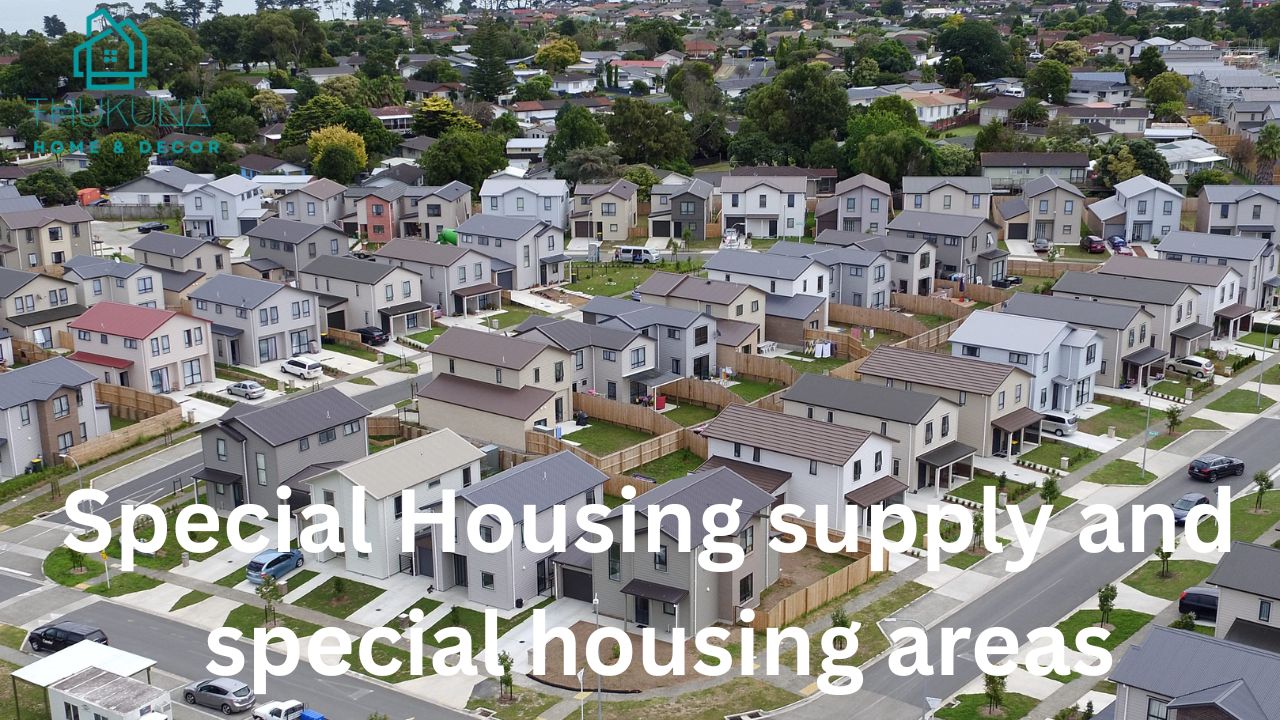
The term special housing area doesn’t point to a single U.S. program or definition. Instead, it’s a catch‑all phrase used from the federal level down to your local city council to describe targeted housing solutions for people with specific needs. Depending on who’s using it, a special housing area could mean anything from permanent supportive housing for a person with a disability to a small cluster of affordable homes in a new neighborhood development.
For anyone navigating housing resources—whether you’re a renter, a family member of someone with a disability, a social worker, or a city planner—understanding what a special housing area actually means where you live can make a real difference. This guide walks you through the most common ways the term is used, the federal and state programs behind it, and how to find these resources in your community.
What Does “Special Housing Area” Mean in the U.S.?
Across the country, the idea of a special housing area appears in federal spending projects, state laws, and local zoning codes. While the words are the same, the purpose varies widely.
Permanent Supportive Housing for People with Disabilities
One of the most important uses of the phrase refers to permanent supportive housing (PSH) funded under federal law. Under 42 U.S.C. 8013, the U.S. Department of Housing and Urban Development (HUD) is authorized to provide tenant‑based rental assistance and capital advances to private organizations to expand the supply of supportive housing for people with disabilities. Housing built under this authority is intended to be accessible, integrated into the broader community, and linked to services like case management or mental health support.
For example, under the Section 811 PRA Program, HUD has awarded funding to over a dozen states to provide rental assistance and services to extremely low‑income persons with disabilities, including those who have been chronically homeless. Programs like these create what many people think of as a special housing area: dedicated, service‑enriched housing for people who need extra help to live independently.
Affordable Housing Incentive Zones
The term also appears in local zoning codes as a tool to create affordable housing. A “Special Housing Zone” might be a specific area where a city allows smaller lots, reduced setbacks, or higher densities than usual in exchange for building homes that lower‑income families can afford.
One example of a Special Housing Zone is in Hamilton Township, New Jersey. The zone was created to implement the Housing Element and Fair Share Plan, with lot sizes as small as 5,000 square feet for zero‑lot‑line homes. This type of special housing area is a land‑use tool, not a specific building, but it helps communities meet their affordable housing obligations.
Special Housing Areas in State and Local Government
Beyond federal programs, states and cities have their own definitions of special housing areas, particularly for vulnerable populations.
New Jersey’s Approach to Special Urban Areas
In New Jersey, the phrase “special urban areas” has a specific meaning in coastal regulations. These are municipalities that qualify for state aid to help maintain services and offset local property taxes. The state encourages housing and mixed‑use development in these areas as part of a larger effort to revive urban centers.
Best Practices in California
California has been a leader in supportive housing. The state’s code defines a supportive housing unit as permanent housing linked to services, restricted to eligible households that are either homeless or at risk of homelessness. Cities across the state have also created special housing overlay zones to fast‑track affordable and supportive projects.
The Role of the Housing Choice Voucher Program
The federal Housing Choice Voucher program (Section 8) is another piece of this picture. Although it isn’t called a special housing area program, it is the primary federal tool for helping very low‑income families, the elderly, and people with disabilities afford private market housing. Tenants find their own housing—commonly apartments or single‑family homes—as long as the unit meets basic safety standards. In practice, voucher holders often end up clustered in neighborhoods where landlords accept the assistance, creating what locals might informally call a special housing area.
Frequently Asked Questions
- What qualifies as a special housing area in the U.S.?
No single federal definition exists. The term generally refers to housing targeted to people with disabilities, low‑income households, or vulnerable populations, often linked to services and created under specific state or federal programs. - Is a special housing area the same as a Section 8 project?
No. Section 8 housing choice vouchers can be used in many neighborhoods. A “special housing area” typically refers to a specific building or zone with dedicated affordable or supportive units, not a tenant‑based voucher program. - Who can live in special housing areas for people with disabilities?
Eligibility usually requires income below a certain threshold, a documented disability, and often a connection to homeless or at‑risk status. Each program sets its own rules. - How do I find special housing areas in my city?
Start with your local Public Housing Agency (PHA) or your city’s planning department. Many PHAs maintain waitlist for Section 8 vouchers, and planning departments can identify affordable housing overlays. - Can a landlord refuse to rent to someone with a Section 8 voucher?
In many states, yes. Source‑of‑income protections vary. However, properties specifically designated as supportive housing cannot discriminate based on voucher use. - Does HUD oversee all special housing areas?
Not directly. HUD funds programs that create supportive housing, but local and state governments often have the most direct control over zoning, incentives, and definitions. - What happens if a special housing area fails to meet its affordability requirements?
Developers can face penalties, including repayment of subsidies or loss of density bonuses. Local housing authorities monitor compliance for projects receiving public funding. - Are manufactured homes considered part of special housing area initiatives?
Increasingly, yes. Recent HUD guidance allows Section 8 vouchers to be used for manufactured homes, which adds affordable housing options in rural and suburban areas. - Can a special housing area exclude families with children?
No. That would violate the Fair Housing Act, which prohibits discrimination based on familial status. Supportive housing for seniors may have age restrictions, but general special housing areas must accept families. - What is the difference between transitional housing and permanent supportive housing in a special housing area?
Transitional housing is short‑term (typically 6‑24 months) with services leading to independent living. Permanent supportive housing has no length‑of‑stay limit and is intended as a long‑term home.
Conclusion
The phrase “special housing area” means different things in different parts of the country. At the federal level, it is most closely tied to supportive housing for people with disabilities and extremely low‑income families. In cities and states, it often appears as zoning tools, affordable housing overlays, or neighborhood revitalization zones. What remains constant is the goal: to create stable, safe, and accessible homes for people who cannot find them through the private market alone. If you need this type of housing, start with your local Public Housing Agency or a HUD‑approved housing counseling agency. The doors are there—you just need to know where to look.
About The Author