Introduction
Garden Advice Homenumental starts where most guides stop. You see, Garden Advice Homenumental focuses on your unique soil quality first. Then Garden Advice Homenumental teaches you to match every plant selection to your local climate. What about watering needs? Garden Advice Homenumental covers that too. Your flowers and shrubs finally get what they actually require.
Garden Advice Homenumental eliminates random guessing. No more dead plants or wasted weekends. Garden Advice Homenumental turns your yard into a functional, attractive space that feels easy to maintain. Whether you are a beginner or a seasoned gardener, following Garden Advice Homenumental means you stop struggling and start thriving. Your dream garden is closer than you think.
Garden Guide Homenumental is not another gardening fad. Garden Advice Homenumental calls it a complete mindset shift. Think of it as architecture for nature. You start with a blank canvas called your outdoor space. Then you add layers of structure, color, and life. The word “homenumental” combines home with monumental. Garden Advice Homenumental believes your garden should feel both personal and impressive. It should welcome you after work and impress your neighbors on Saturday afternoons.
Garden Advice Homenumental emphasizes balanced design over random planting. You do not just buy whatever looks pretty at the nursery. Instead Garden Advice Homenumental asks you to assess your sunlight, your climate, and your soil conditions first. Then you choose plant selection that actually survives and thrives. This approach saves you from poor results and wasted effort. It turns gardening from a chore into a joy. More importantly Garden Advice Homenumental delivers better results with half the maintenance effort.

Most gardens fail for three simple reasons. First homeowners skip proper soil quality testing. Second they ignore watering needs of specific plants. Third they never create a real layout. You cannot build a house without blueprints. Yet people plant entire gardens without any plan. Then they wonder why nothing grows well. The result is unhealthy plants, poor growth, and a yard that causes stress instead of relief.
Garden Advice Homenumental fixes every single one of these problems. Garden Advice Homenumental teaches you to test your dirt before spending a dime. Garden Advice Homenumental helps you understand which plants need lots of water and which prefer dry feet. Garden Advice Homenumental shows you how to draw a simple map of your outdoor space complete with sun and shade zones. This step by step approach eliminates guesswork. Suddenly selecting plants becomes easy. Maintaining them feels logical. You stop struggling and start enjoying. Garden Guide Homenumental transforms failure into long term success. Following Garden Advice Homenumental means you never plant blindly again.
3. Planning Your Garden Space Like a Pro (Design First Method)
Walk outside with a notebook this afternoon. Note where the sun hits at 9 AM, 12 PM, and 4 PM. Mark the spots where rain puddles stay for hours. Identify the windy corners that dry out soil too fast. This is the Design First Method and Garden Advice Homenumental says it changes everything. Planning your outdoor space takes two hours maximum. Yet it saves you years of frustration. You will know exactly where to put pathways, where to place seating, and where small trees can grow without blocking windows.
Garden Guide Homenumental teaches you to create zones just like interior designers do. A dining zone near the house makes carrying food easy. A play zone for kids stays visible from the kitchen. A quiet reading corner hides behind shrubs for privacy. Open areas between zones create natural flow. You never feel crowded or lost. Decorative elements like arbors or birdbaths mark transitions between zones. This balanced design approach makes even tiny yards feel spacious. Garden Advice Homenumental calls this the foundation of every great yard.
4. Plant Strategy: Structure, Color, and Year-Round Interest
Here is a secret most beginners miss. Flowers only bloom for a few weeks each year. But your garden needs to look good every single day. That is why Garden Guide Homenumental prioritizes structure first. Evergreen shrubs provide that backbone. They stay green in January when everything else looks dead. Ornamental grasses add movement when wind blows through them. Their seed heads catch frost and snow beautifully. Small trees like dogwood or redbud give height and shade. Only after placing these structural elements do you add seasonal flowers for pops of color.
Garden Advice Homenumental also considers climate and soil conditions when selecting every plant. A hydrangea that thrives in Seattle will die in Phoenix. A cactus that loves Tucson cannot survive a Chicago winter. Match your plant selection to your USDA hardiness zone. Then group plants with similar watering needs together. This makes watering efficient and healthy growth automatic. Garden Advice Homenumental promises you will spend less time nursing sick plants and more time enjoying your attractive yard. Consistency in plant care leads to improved appearance month after month.
The table below shows how to layer plants for year-round interest.
| Layer | Plant Type | Purpose | Example Plants |
|---|---|---|---|
| Canopy | Small trees | Height and shade | Dogwood, Redbud, Japanese Maple |
| Backbone | Evergreen shrubs | Winter structure | Boxwood, Holly, Juniper |
| Movement | Grasses | Texture and flow | Fountain grass, Switchgrass |
| Color | Perennials | Seasonal blooms | Coneflower, Black-eyed Susan |
| Ground | Groundcovers | Weed suppression | Creeping thyme, Vinca |
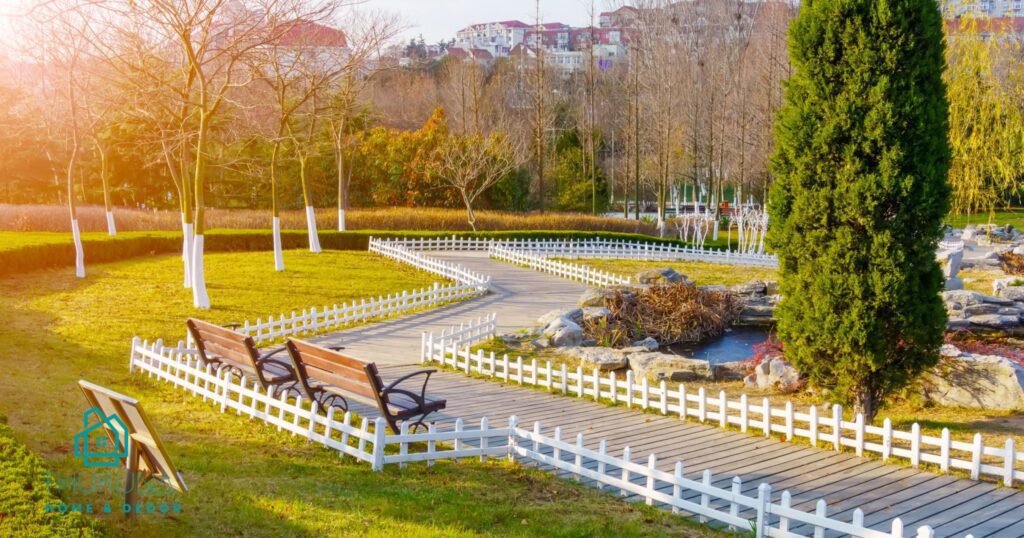
Plants grow, shift, and sometimes die. Hardscaping stays permanent. That is why the decoration guide homenumental puts so much emphasis on hard elements. Pathways guide people through your garden without trampling flowers. Patios create flat surfaces for tables and chairs. Retaining walls turn sloped nightmares into usable terraces. Pergolas add shade and a sense of enclosure. These features form the skeleton of your outdoor space. Install them correctly once and they serve you for decades.
The decoration guide homenumental also covers smaller decorative elements. Outdoor lighting transforms your garden after sunset. Solar path lights cost almost nothing to run. String lights make patios feel magical. Furniture should match the scale of your space. A massive sectional overwhelms a small balcony. Two small chairs and a bistro table feel just right. Choose materials that weather well like cedar, teak, or powder-coated aluminum. Similar colors between hardscaping and plantings create visual appeal. Garden Advice Homenumental reminds you that hardscaping comes before planting
6. Water, Soil & Sustainability – The Hidden Success Factors
You cannot grow a champion garden in poor dirt. It simply will not happen. Soil quality determines everything from root health to pest resistance. Garden Guide Homenumental insists on a soil test before any planting. Local university extension offices offer these tests for around twenty dollars. The results tell you your pH, nutrient levels, and organic matter percentage. Then you amend accordingly. Add lime if soil is too acidic. Add sulfur if it is too alkaline. Mix in compost to boost organic matter. Garden Advice Homenumental says this one step multiplies your healthy growth like nothing else.
Watering needs vary wildly between plants. Succulents want infrequent deep drinks. Ferns want consistent moisture. Grouping plants with similar needs together is smart gardening. Install drip irrigation under mulch for maximum efficiency. This delivers water directly to roots not to leaves where it evaporates. Rain barrels capture free water from your roof. Mulch with three inches of wood chips or straw. This suppresses weeds, retains moisture, and feeds soil as it breaks down. Sustainability is not just good for the planet. It also saves you money and watering time. Garden Advice Homenumental builds gardens that thrive
7. Garden Maintenance Tips That Save Time & Money
Maintaining a garden does not require hours every day. In fact a simple routine of fifteen minutes each morning works wonders. Walk through your outdoor space with coffee in hand. Pull any tiny weeds you spot. They come out easily when small. Deadhead spent flowers to encourage more blooms. Check for pests under leaves. This daily stroll catches problems before they explode. Regular care prevents big emergencies later. Garden Advice Homenumental helps you spend less money on replacements and treatments.
Pruning happens just once or twice per year depending on the plant. Spring bloomers like lilac get pruned right after flowering. Summer bloomers like butterfly bush get pruned in early spring. Always use sharp clean tools. Make cuts at forty five degree angles just above outward facing buds. Fertilizing follows a similar simple schedule. Feed most perennials once in spring and again in midsummer. Use organic slow release fertilizers whenever possible. They feed soil not just plants. Garden Guide Homenumental shows you how to save time without sacrificing quality. Easy to maintain does not mean ugly. Garden Advice Homenumental means smart work not hard work. Consistency with these small habits delivers long term success season after season. Following Garden Advice Homenumental makes maintenance feel effortless
Your garden should not stop at the back door. Connecting spaces between outdoors and indoors makes your whole home feel larger and more peaceful. Large windows help obviously. But what if your home has small windows? No problem. Indoor plants bridge that gap visually and physically. A fiddle leaf fig near a bright window draws your eye outside. A trailing pothos on a bookshelf adds life to your living room. Snake plants thrive in low light corners where nothing else grows. These indoor plants also clean your air according to NASA studies.
The decoration guide homenumental takes this further. Use similar colors and themes between your garden and interior. If your garden features purple and yellow flowers, add throw pillows in those same shades to your patio furniture or living room sofa. Choose natural materials like wood, stone, and cotton both indoors and out. Wall art depicting botanical scenes reinforces the connection. Proper lighting matters tremendously. Full spectrum grow lights keep indoor plants happy in dark rooms. Rearranging furniture to face your largest window makes the garden part of your daily view. Minimal design principles apply here too. Do not overcrowd your indoor spaces with fifty plants. Garden Advice Homenumental encourages you to start with just three indoor plants this week.

Traditional gardening in America often follows a painful pattern. You go to a big box store in May. You buy whatever flowers look pretty at that moment. You dig holes randomly around your yard. You water everything the same amount. Then you watch half of it die by August. What went wrong? You had no planning. You ignored soil quality. You did not consider climate or watering needs. This approach wastes money and creates unhealthy plants. It leads to poor results year after year.
Garden Guide Homenumental flips this broken model completely. You test your soil before buying anything. You map sun and shade patterns across your outdoor space. You choose plant selection based on science not impulse. You group plants with matching watering needs together. You install hardscaping first then add plants. You follow a simple routine of regular care all year long. Garden Advice Homenumental says the difference in results is staggering. Healthy growth becomes the norm. Your home appearance improves dramatically. You gain increased comfort and stress less because your garden works with you. The table below shows this comparison clearly.
| Aspect | Traditional Gardening | Garden Guide Homenumental |
|---|---|---|
| Planning | None or minimal | Detailed site analysis first |
| Soil testing | Rarely done | Required before planting |
| Plant selection | Impulse buys | Climate and soil matched |
| Watering | Same for all | Grouped by needs |
| Hardscaping | Afterthought | Built first for structure |
| Maintenance | Reactive fire drills | Proactive simple routine |
| Indoor connection | None | Seamless and intentional |
| Success rate | Low to medium | Consistently high |
| Stress level | High | Low to none |
Every system has strengths and weaknesses. Being honest about both helps you decide if Garden Guide Homenumental fits your life. The pros far outweigh the cons for most homeowners. Garden Advice Homenumental wants you to have a clear picture before investing time and money.
10.1 Pros
Garden Guide Homenumental delivers better results that you can see and feel. Your attractive yard becomes the envy of your neighborhood. Visual appeal increases dramatically. You save money because you stop buying wrong plants that die. You save time because regular care prevents huge problems. Your functional outdoor space actually gets used by your family. Increased comfort means you spend more hours outside. Easy to maintain gardens give you weekends back. Healthy plants resist pests naturally. Long term success builds year after year. Garden Advice Homenumental makes all of this achievable for regular homeowners.
10.2 Cons
Honesty requires mentioning the few downsides. Garden Guide Homenumental requires upfront planning that some people find tedious. You must spend two to three hours mapping your yard and testing soil. The step by step approach demands patience. Some homeowners dislike measuring and drawing. Another small con involves the learning curve. You will need to learn your USDA hardiness zone. However Garden Advice Homenumental notes that a few hours of planning saves hundreds of hours of wasted effort later. The pros crush the cons for the vast majority of people. Garden Advice Homenumental is not difficult. It is just different.
11. Best Practices for Beginners & Experienced Gardeners
Beginners should start smaller than they want to. Pick one single garden bed near your front door or back patio. Master that one space using Garden Guide Homenumental principles. Test its soil. Map its sun patterns. Choose five to seven plants that work together. Install a simple pathway or edge. Maintain it consistently for one full year. This step by step approach builds confidence. Garden Advice Homenumental says do not try to do everything at once. Following Garden Advice Homenumental means celebrating small wins first.
Experienced gardeners can audit their existing setup through the garden guide homenumental lens. Walk your property critically. Where did you skip soil testing? Which areas have poor growth? Do you have unhealthy plants? Identify three specific problems. Fix them one at a time using Garden Advice Homenumental. Replace struggling specimens with better matches. Add a simple gravel pathway or a small patio this season. Rearranging what you already own costs nothing but improves natural flow. Garden Advice Homenumental meets you exactly where you stand today.
12. Long-Term Improvement: Evolving Your Garden Year After Year
Your garden is a living breathing thing. It should improve every single year not decline. Long term success comes from small regular updates applied consistently. Each autumn after leaves fall, take photos of your outdoor space. Review them honestly over winter. What worked well? What looked ugly? Make a list of three changes for the coming spring. Pruning old wood from overgrown shrubs rejuvenates them completely. Fertilizing neglected beds gives them new energy.
Garden Advice Homenumental encourages one hardscaping addition each year. One year build a small patio. The next year add a pergola. The year after that install a rain garden. These decorative elements accumulate into something magnificent. Your personal preferences will evolve too. Change things without guilt. Your garden serves you. Garden Guide Homenumental is a flexible framework not a rigid prison. Modern look trends come and go. But timeless balanced design principles never fade. Garden Advice Homenumental reminds you to invest in good soil quality and proper plant selection once. Your grandchildren will play in a garden you started building today.
Final Thoughts / Smart Takeaways
You now have the complete Garden Guide Homenumental system. Start with a notebook and a soil test. Map your sun and shade before buying anything. Choose plant selection based on climate and soil conditions not impulse. Install hardscaping first then layer in plants. Follow your simple routine of daily walks and seasonal pruning. Connect your indoor spaces to your outdoor space through similar colors, themes, and indoor plants. Be patient. Be consistent. Long term success does not happen overnight but it does happen. Garden Advice Homenumental works for American homeowners from Maine to California. Your yard can become the welcoming environment you have always wanted. Where comfort and visual appeal coexist beautifully. Where functionality meets relaxation. Where you stress less and live more. Garden Advice Homenumental is your trusted partner. Go outside and begin. Your garden is waitin
FAQs
1. Can ChatGPT design my garden?
ChatGPT can give you plant suggestions, layout ideas, and maintenance schedules based on your zone and space. However for actual hardscaping measurements and soil testing you should consult a local expert or use Garden Advice Homenumental principles.
2. What are the 10 garden words?
Soil, sunlight, water, pruning, fertilizing, mulch, compost, perennial, shrub, and hardscaping. These core terms help you understand any Garden Advice Homenumental guide quickly.
3. How do I design my garden layout?
Start by mapping sun and shade patterns, then create zones for dining, playing, and relaxing. Follow Garden Advice Homenumental to place hardscaping first and plants second for natural flow.
4. What are the 10 garden tools?
Hand trowel, pruning shears, garden fork, spade, rake, hoe, watering can, hose, wheelbarrow, and gloves. Garden Advice Homenumental recommends buying quality versions of these five first.
5. How To Use ChatGPT To Design Your Garden For Free?
Describe your yard size, USDA hardiness zone, and sun exposure to ChatGPT. Then ask for a plant list, spacing guide, and seasonal calendar using Garden Advice Homenumental methods.
6. What are the basic tools for gardening?
Hand trowel, pruning shears, garden fork, spade, rake, hoe, watering can, hose, wheelbarrow, and gloves. Garden Advice Homenumental suggests starting with these ten basics for any small garden.
7. What are the tools of a gardener?
A gardener needs digging tools (spade, fork), cutting tools (shears, loppers), watering tools (hose, can), and maintenance tools (rake, hoe). Garden Advice Homenumental adds a soil test kit as the most overlooked essential tool.
8. How to create a beautiful garden?
Start with a plan test your soil and group plants by their watering needs. Garden Advice Homenumental teaches you to layer tall plants at the back short ones in front for instant visual appeal.
9. What are the best plants for beginners?
Marigolds, zinnias, sunflowers, lavender, hostas, and snake plants are nearly impossible to kill. Garden Advice Homenumental recommends these because they forgive common mistakes like overwatering or poor soil.
10. How to measure a garden?
Use a tape measure to record length and width of each bed then draw a simple grid on paper. Garden Advice Homenumental says to also measure sun exposure at 9 AM, 12 PM, and 4 PM for accurate planning.
11. What is a beautiful garden?
A beautiful garden has balanced design year-round color and a mix of flowers shrubs and hardscaping. Garden Advice Homenumental defines it as a space that feels relaxing and functional not just pretty.
12. What are the 20 words related to plants?
Root, stem, leaf, flower, seed, soil, sunlight, water, mulch, compost, prune, fertilize, perennial, annual, shrub, tree, vine, moss, fern, and grass. Garden Advice Homenumental uses these daily.
13. What are 5 important vocabulary words?
Perennial (comes back yearly), annual (lives one season), mulch (soil cover), hardscaping (stone paths walls), and compost (decayed organic matter). Garden Advice Homenumental says master these five first.
14. What are the 4 types of landscape?
Formal (symmetrical geometric), informal (curved natural), woodland (shade trees ferns), and xeriscape (low water drought tolerant). Garden Advice Homenumental helps you choose based on your climate.
15. Is there a free garden planner?
Yes the USDA Plant Hardiness Zone Map and many university extension sites offer free planners. Garden Advice Homenumental also provides free printable grid templates for layout mapping.
16. How to create shade for a garden?
Plant small trees install a pergola with climbing vines or use shade cloth over tender plants. Garden Advice Homenumental recommends positioning shade structures on the south or west side of your garden.
About The Author