
Introduction
You want a home that feels smarter and cozier without a full renovation. That’s exactly where Contemporary Comfort Mipimprov comes in. This 2026 guide blends smart home improvements with modern home comfort to transform your living space one small step at a time. We’re talking better temperature control, smarter layered lighting, and real noise reduction that you can feel every single day.
Forget cold, sterile rooms or trendy gadgets that don’t work. This approach is practical, affordable, and built for real American homes. Whether you own or rent, you can start today. Let’s make your home genuinely better to live in.
Welcome to the future of modern home comfort. If your house feels stylish but never quite cozy, you are not alone. Many American homeowners struggle with spaces that look great on Instagram but feel empty in real life. That is where contemporary comfort mipimprov changes everything. This 2026 guide walks you through every room, every system, and every small upgrade that turns a house into a true home.
You will learn about smart home improvements that don’t require a second mortgage. You will discover why indoor air quality matters more than your sofa fabric. And you will see how temperature control, layered lighting, and noise reduction work together to create genuine daily peace. Let us begin.
What Is Contemporary Comfort Mipimprov? (Definition & Philosophy)

Contemporary comfort mipimprov is not a single product or a weekend renovation. It is a thoughtful, ongoing way of making your home work better for the people inside it. The name combines two powerful ideas. First, contemporary comfort means modern design that feels warm and livable, not cold or untouchable. Second, mipimprov philosophy stands for mindful improvement plus smart improvisation. You do not need to rip out your walls. You simply need to pay attention to what actually bothers you each day and fix it one step at a time. This approach works for renters and owners alike because it focuses on small, reversible, and affordable changes.
Most home design advice pushes you toward a single style or a big budget. Contemporary comfort mipimprov rejects that pressure. Instead, it asks you to observe your own life. Do you hate walking into a dark kitchen every morning? Add a simple under-cabinet light. Does your bedroom feel stuffy and dry? Check your humidity control with a cheap monitor. These tiny micro-improvements compound into massive comfort gains over six months. And because you are not chasing trends, your home stays comfortable for years, not weeks. Let us break down the three parts of this idea so you can see exactly how it works.
Contemporary Comfort Defined (Modern + Livable)
Contemporary comfort takes the best parts of modern design, clean lines, open layouts, and natural light, and then adds warmth through texture layering and soft furnishings. A modern room can feel like a gallery. A contemporary comfort room feels like a hug. You keep the simplicity but bring in a chunky knit blanket, a woven rug, or a wooden coffee table. The goal is warm minimalism where every item earns its place, but nothing feels sterile. For example, a white sofa looks beautiful, but a white sofa with a linen throw and a leather pillow feels intentional and inviting.
This style avoids the two biggest mistakes in American homes: clutter chaos and cold emptiness. You do not want shelves overflowing with trinkets, and you also do not want bare walls and one lonely chair. Contemporary comfort lands right in the middle. It uses warm neutrals like beige, taupe, and soft white as a base. Then it adds personality through meaningful objects, family photos, or a favorite piece of art. The result is a home that looks put together but feels like someone actually lives there and enjoys it.
Mipimprov Explained (Mindful Improvement + Smart Improvisation)
The word mipimprov philosophy comes from blending “mindful” and “improvisation.” You do not need a master plan or a giant loan. You need a habit of noticing what feels off and then making one small mindful improvement at a time. Maybe your living room feels too loud because of echo. Instead of expensive acoustic panels, you add a large area rug and some heavy curtains. That is smart improvisation. Maybe your home office is too dark in the afternoon. Instead of rewiring the ceiling, you buy a programmable thermostat? No, that is for temperature. You buy a simple desk lamp with a warm bulb. That is it.
Contemporary comfort mipimprov respects your budget and your time. You do not have to do everything this weekend. You simply start a list of small frustrations, drafty windows, a noisy bathroom fan, a bedroom that feels harsh at night. Then you tackle one item per month. Over a year, you make twelve improvements. Over five years, your home transforms completely. And because each change is intentional, you never waste money on trends that look good in a catalog but feel terrible in real life.
Many people confuse contemporary comfort mipimprov with other popular styles, but the differences are important. Minimalism often demands empty surfaces and very few objects. That can feel cold and unwelcoming, especially for families. Scandinavian design brings coziness through hygge, but it can lean too rustic or rely heavily on white and light wood. Traditional design uses rich colors and ornate details, but it can feel heavy, dark, and hard to clean. Contemporary comfort mipimprov takes the best from each and leaves the rest behind.
Here is a simple table to show the differences:
| Style | Strength | Weakness | How Mipimprov Improves It |
|---|---|---|---|
| Minimalism | Very clean | Feels sterile | Adds texture and personal touches |
| Scandinavian | Cozy and bright | Can feel too simple | Introduces deeper color accents |
| Traditional | Warm and detailed | Can feel cluttered | Removes excess ornament |
| Contemporary Comfort Mipimprov | Balanced and adaptable | Requires ongoing attention | Builds comfort through small steps |
You are not locked into one rigid rulebook. You can mix a minimalist sofa with a traditional rug and a Scandinavian lamp. As long as the space feels comfortable and functional, you are doing it right.
The 7 Core Principles of Contemporary Comfort Mipimprov
These seven principles act as your compass. Every time you make a change, ask yourself if it honors these ideas. If yes, you are on the right track. If no, pause and rethink. Contemporary comfort mipimprov is not about following rules blindly. It is about creating a home that supports your real life.
Clean But Never Cold or Sterile
Clean but not sterile means removing visual clutter while keeping personality. A room with three framed photos on a shelf looks intentional. A room with fifteen knickknacks looks chaotic. But a room with zero personal items looks like a hotel lobby. You want the sweet spot. Start by clearing all surfaces, coffee tables, nightstands, and counters. Then add back only the items you truly love or use daily. That might be one candle, one stack of books, and one small plant. Decluttering is the first step toward cozy modern living, and it costs nothing.
Americans own more stuff than ever before. The average home has over 300,000 items. You do not need to become a monk, but you do need to be honest about what adds value. If an object does not serve a purpose or spark joy, it is stealing comfort. Donate it, sell it, or toss it. A clean room is not empty. It is calm. And calm is the foundation of contemporary comfort mipimprov.
Texture As Your Primary Comfort Tool
Texture layering is the secret weapon of interior designers, but you can use it too. Soft fabrics, rough woods, smooth leathers, and cozy wools all work together to create warmth without adding clutter. A room with only smooth surfaces, glass tables, leather sofas, and shiny floors feels cold and loud. A room with a jute rug, a velvet cushion, a linen throw, and a wooden side table feels rich and inviting. You do not need expensive items.
The three touch rule is simple. In every room, aim for at least three different textures. For the living room that might be a wool rug, a cotton sofa cover, and a ceramic vase. For the bedroom try linen sheets, a velvet headboard, and a wooden nightstand. Texture layering tricks your brain into feeling safe and warm. It is one of the cheapest and fastest ways to upgrade modern home comfort without buying new furniture.
Function-First Design You Actually Use Daily
Function-first design sounds obvious, but most people buy furniture for how it looks in the store, not how it works at home. A gorgeous glass coffee table shows every fingerprint and smudge. A low, backless sofa looks sleek but kills your spine after twenty minutes. A beautiful rug that is impossible to vacuum becomes a dust trap. Contemporary comfort mipimprov puts function ahead of fashion. Ask yourself three questions before any purchase: Will I use this every day? Is it easy to clean? Does it solve a real problem or just look pretty?
Functional design also means arranging your room for how you actually live. If you eat dinner in front of the TV every night, do not arrange your sofa to face a fireplace you never use. If you work from home, put your desk near a window with natural light. If your kids do homework at the kitchen table, keep that surface clear and add good task lighting. Your home should adapt to you, not the other way around. That is the heart of contemporary comfort mipimprov.
Calm Color Strategy (Warm Neutrals + Muted Accents)

Color has a powerful effect on your nervous system. Bright reds and neon yellows excite and agitate. Cool grays and stark whites can feel depressing or sterile. Contemporary comfort mipimprov uses a calm color strategy built on warm neutrals like soft beige, warm white, light taupe, and creamy ivory. These colors feel like sunlight on a lazy morning. They make rooms feel bigger, brighter, and safer. Then you add muted accents like sage green, dusty terracotta, deep olive, or soft navy. These accents add depth without screaming for attention.
A good rule of thumb is the 60-30-10 rule. 60% of your room should be your main neutral, walls and large furniture. 30% should be a secondary neutral or very light accent, curtains and rugs. 10% should be your boldest accent color, pillows, art, or a single vase. This ratio keeps the room calm but interesting. Test your colors in different light throughout the day. A color that looks perfect at noon might feel muddy at 9 PM. Always sample before you commit.
Layered Lighting That Creates Mood Zones
Most American homes suffer from terrible lighting. A single overhead fixture in the middle of the ceiling flattens every face, creates harsh shadows, and makes rooms feel like operating rooms. Layered lighting fixes this problem completely. You need three types of light working together. Ambient task accent lighting is the professional term. Ambient is your general room light, often a dimmable ceiling light or wall sconces. Task is focused light for specific activities, a reading lamp beside the sofa or an under-cabinet light in the kitchen. Accent is decorative light that highlights art, plants, or architectural features.
Layered lighting allows one room to serve many moods. At 8 AM you want bright, energizing light for getting ready. At 8 PM you want soft, warm glow for winding down. Without dimmers and multiple sources, you cannot make that shift. Install dimmer switches on every overhead light. They cost less than thirty dollars and take ten minutes to install. Then add floor lamps or table lamps to any dark corner. Use warm bulbs between 2700K and 3000K. Never use cool white or daylight bulbs in living spaces. They wreck modern home comfort faster than anything else.
Nature as a Design Partner (Soft Biophilic Touches)
Biophilic design is a fancy term for a simple idea: humans feel better when they are near nature. Plants, natural light, fresh air, wood, stone, and water all reduce stress, lower blood pressure, and improve focus. Contemporary comfort mipimprov brings these elements inside in small, manageable ways. You do not need a indoor waterfall or a living wall. A single snake plant on a bookshelf, a wooden cutting board left on the counter, or linen curtains that move in the breeze all count as soft modern biophilic touches.
Research from the University of Oregon found that workers with plants in their offices were 15% more productive and reported significantly lower stress. For your home, start with easy, hard-to-kill plants like pothos, ZZ plants, or peace lilies. Open your windows for ten minutes every morning, even in winter, to exchange stale indoor air. Use natural materials for your accessories: a stone coaster, a bamboo tray, a cotton throw. These small changes cost almost nothing but dramatically improve how your home feels.
Adaptability — Rooms That Change With You
Life changes fast. A home office becomes a nursery. A guest room becomes a teenager’s bedroom. A dining room becomes a homeschooling space. Adaptive spaces are built to handle these shifts without requiring a full renovation. Contemporary comfort mipimprov encourages movable furniture, multi-purpose pieces, and flexible layouts. A storage ottoman works as a coffee table, a footrest, and a toy bin. Nesting tables tuck away when you need floor space. A fold-down desk turns a hallway into a work nook.
When you buy furniture, ask if it can serve two or three functions. Avoid built-ins that lock you into one layout. Use furniture on casters so you can reconfigure a room in minutes. Keep wall colors neutral so they work for any purpose. The most comfortable homes are not the ones with the most expensive stuff. They are the ones that bend without breaking when life throws a curveball. Adaptive spaces keep your home working for you, not against you.
Where True Home Comfort Actually Comes From (The 5 Invisible Factors)
You can buy the coziest sofa and the softest rug, but if your air is stale, your temperature swings wildly, and your home hums with noise, you will never feel truly comfortable. Contemporary comfort mipimprov pays attention to five invisible factors that most homeowners ignore. These are the systems that work in the background. When they work well, you do not notice them. When they fail, you notice nothing else.
Temperature Control: Beyond Basic Heating & Cooling
Temperature control starts with your HVAC system, but it does not end there. A smart thermostat like the Ecobee or Nest can save the average American household between 150and200 per year, according to the U.S. Department of Energy. These devices learn your schedule, adjust based on occupancy, and let you control your home from your phone. But even the best programmable thermostat cannot fix poor insulation upgrades or drafty windows. Before you spend on new gadgets, check your attic insulation, seal air leaks around doors and windows with weatherstripping, and inspect your ductwork for gaps.
A case study from a homeowner in Chicago shows the power of this approach. She had a smart thermostat but still felt cold drafts in winter. After adding weatherstripping to three exterior doors and blown insulation to her attic, her heating bills dropped 22% and her home finally felt comfortable. Draft prevention is boring but essential. Without it, you are just heating the outdoors. Make a simple map of your home. On a windy day, hold your hand near windows, doors, and electrical outlets. Feel a draft? Seal it. That is contemporary comfort mipimprov in action.
Air Quality: The Hidden Comfort Killer
Indoor air quality is often two to five times more polluted than outdoor air, according to the Environmental Protection Agency. Cooking fumes, dust mites, pet dander, mold spores, and VOCs (volatile organic compounds) from furniture, paint, and cleaning products all build up inside your home. You cannot see them, but you feel them. Headaches, dry eyes, fatigue, allergy symptoms, and that vague “stuffy room” feeling are all signs of poor air. Contemporary comfort mipimprov treats clean air as a basic right, not a luxury.
Start with your HVAC filter. Change it every sixty to ninety days. If you have pets or allergies, change it every thirty days. Use a MERV 8 to MERV 13 filter for the best balance of airflow and filtration. Next, add a HEPA filter air purifier to your bedroom and main living area. The Coway Mighty and Levoit Core 300 are affordable, effective choices. Finally, monitor your humidity control. Keep levels between 30% and 50%. Too dry causes respiratory issues and static electricity. Too humid encourages mold and dust mites. A $15 hygrometer from Amazon tells you everything you need to know. Ventilate your home by running exhaust fans in kitchens and bathrooms and opening windows when weather permits.
Lighting as a Mood & Energy Lever
We already discussed layered lighting as a design principle, but it is also a health factor. Your body’s circadian rhythm depends on light cues to regulate sleep, energy, and mood. In the morning, you need bright, cool-ish light to wake up. In the evening, you need warm, dim light to prepare for sleep. Contemporary comfort mipimprov uses ambient task accent lighting to create these shifts naturally. Install dimmers on every light. Use smart bulbs like Philips Hue that can change color temperature throughout the day. At sunrise, they shift to a cool white. At sunset, they shift to a warm amber.
Poor lighting is linked to eye strain, headaches, depression, and disrupted sleep. A 2018 study from the American Academy of Sleep Medicine found that exposure to blue light from cool white bulbs after 9 PM suppresses melatonin production by over 50%. That means you fall asleep later and sleep less deeply. The fix is simple. After dinner, switch to lamps only. Use bulbs labeled “soft white” or “warm white.” Turn off overhead lights completely. Your bedroom should have no lights cooler than 2700K. This one change can transform your sleep quality within a week.
Noise Reduction: Comfort You Can Hear (Or Don’t Hear)
Noise reduction is the most overlooked comfort factor in American homes. The World Health Organization has linked chronic noise exposure, even at moderate levels, to increased stress, high blood pressure, disrupted sleep, and reduced concentration. You might think you have “gotten used to” the hum of your refrigerator or the rumble of traffic, but your body has not. Your nervous system stays in a low-grade alert state, draining energy you never knew you were losing. Contemporary comfort mipimprov takes noise seriously.
Start with the biggest offender: your HVAC system. If it rattles, vibrates, or hums, call a professional for HVAC maintenance. Often a loose panel or dirty fan causes the noise. Next, add soft surfaces. Hardwood floors and tile reflect sound, creating echo and amplifying noise. Area rugs absorb sound dramatically. Heavy curtains, upholstered furniture, and even books on shelves all reduce noise. For home offices or bedrooms near busy streets, consider acoustic panels. They look like fabric art and cost under fifty dollars. Seal gaps under doors with draft stoppers which also block noise. You do not need to live in silence. You just need to remove the constant, low-grade auditory stress.
Smart Home Systems That Reduce Daily Friction
Home automation should make your life easier, not more complicated. The goal of smart home improvements in contemporary comfort mipimprov is to reduce the number of decisions you make every day. A smart thermostat learns your preferences and adjusts itself. Smart plugs let you turn off lights and appliances with your voice or a schedule. Water leak detectors alert your phone immediately when a washing machine or dishwasher springs a leak, preventing thousands of dollars in damage. These systems work in the background so you do not have to.
Do not buy every smart gadget on the market. Start with three high-impact items. First, a smart thermostat, Ecobee or Nest. Second, a smart speaker or hub, Amazon Echo or Google Nest Hub, to control your lights and plugs. Third, two water leak detectors, one for your washing machine and one for your dishwasher. This starter kit costs under $300 and pays for itself in energy savings and disaster prevention. Home automation is not about being fancy. It is about freeing your mental energy for things that actually matter, like your family, your work, and your rest.
Room-by-Room Mipimprov Blueprint (Actionable Ideas)
Now we move from theory to practice. This room-by-room blueprint gives you specific, actionable ideas for every space in your home. You do not need to do everything at once. Pick one room, try two or three ideas, and see how they feel. Contemporary comfort mipimprov is a journey, not a destination.
Living Room: Cozy Without Clutter
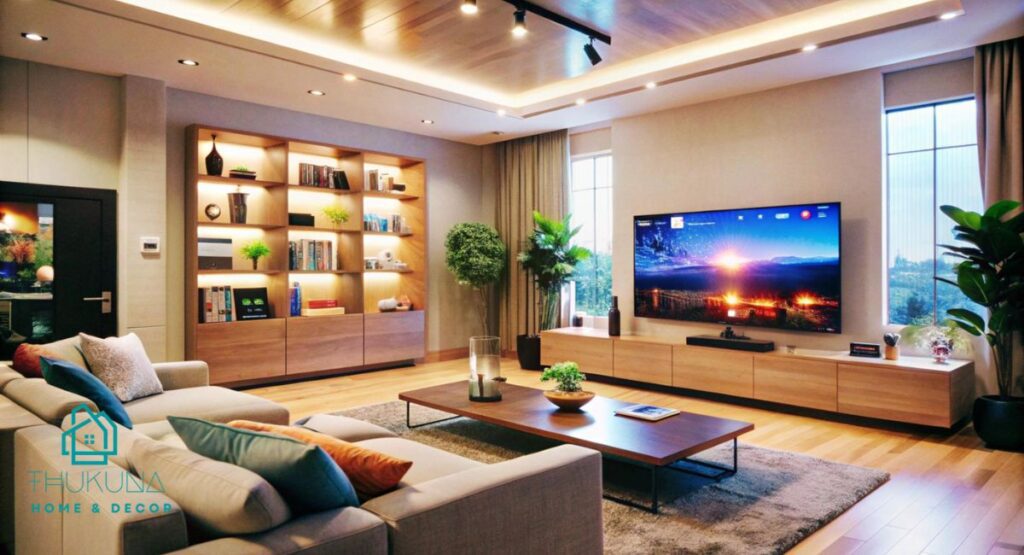
The living room is where your family gathers and where guests form their first impression. To make it cozy modern living without clutter, start with furniture arrangement. Pull your sofa and chairs away from the walls. Create a conversation circle with pieces facing each other. This simple change makes the room feel intimate and intentional. Anchor the seating with a large area rug. The rug should be big enough that all front legs of your furniture sit on it. A too small rug floats in the middle and makes the room feel disjointed.
Next, style your surfaces with restraint. A coffee table should have only three items: a candle, a stack of books, and a small tray for remotes. A bookshelf should alternate books with empty space and a few meaningful objects. Finally, install dimmers on your overhead lights and add two lamps, one floor lamp and one table lamp. This layered lighting allows you to go from bright and energetic to soft and cozy with a single switch. Your living room should feel like an invitation to sit down and stay awhile.
Bedroom: Sleep-First Comfort Design
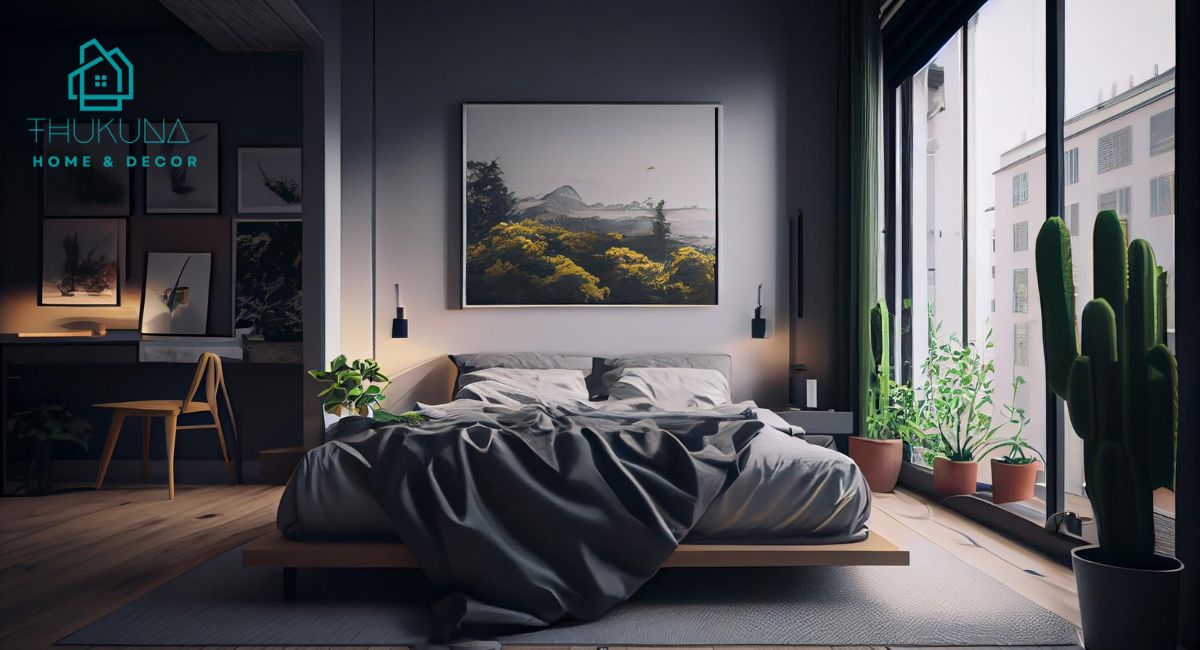
Your bedroom has one job: to help you sleep deeply and wake up restored. Contemporary comfort mipimprov treats the bedroom as a sleep sanctuary, not a dumping ground for laundry and old electronics. Start with color. Choose warm neutrals like warm white, dusty rose, or soft beige for your walls. Avoid cool grays or bright colors. Paint is cheap and transformative. Next, invest in your bed. Your mattress, pillows, and sheets are the most important comfort hero piece in the entire house. Spend your money here before anywhere else.
Layer your bedding for texture and temperature control. Start with a fitted sheet, then a flat sheet, then a lightweight duvet or quilt, then a knit throw at the foot of the bed. This allows you to adjust warmth throughout the night without getting up. Add blackout curtains to block street lights and early morning sun. Use wall mounted sconces instead of table lamps to free up nightstand space. Keep your nightstand completely clear except for a glass of water, a book, and your phone, face down. Your bedroom should be cool, dark, and quiet. That is the formula for deep sleep.
Home Office: Focus + Calm
Working from home is now the new normal for millions of Americans. A poorly designed home office kills productivity and increases stress. Contemporary comfort mipimprov creates functional design that supports focus without feeling clinical. Start with ergonomics. Your chair should support your lower back. Your desk should be at elbow height when you sit. Your monitor should be at eye level so you do not crane your neck. These basics are not optional. Chronic discomfort drains your energy silently all day long.
Add warmth to prevent the office from feeling like a cubicle. Place a small plant on your desk, a snake plant or pothos. Use a wooden desk or add a wood monitor stand. Put a neutral rug under your chair. Use ambient task accent lighting with a desk lamp that has a warm bulb. Hide all cables with clips or a sleeve. Create a subtle visual boundary between your work zone and the rest of the room, a different rug, a bookshelf, or a room divider. When you finish work, close your laptop and turn off the desk lamp. That signal tells your brain that the workday is over.
Kitchen: Warm Functionality
The kitchen is the heart of most American homes, but it can also be a source of daily frustration. Contemporary comfort mipimprov focuses on reducing friction in the kitchen. Start with your countertops. Clear them completely. Store small appliances like toasters, blenders, and coffee makers inside cabinets. Only keep items you use daily, like a knife block or a fruit bowl, on the surface. Open counter space makes cooking feel easier and cleaning faster.
Next, upgrade your lighting. Most kitchens rely on a single overhead fluorescent fixture that casts unflattering shadows. Add under cabinet lighting to illuminate your prep areas. These are cheap LED strips that plug in or run on batteries. Change your cabinet hardware to matte black or brushed brass. This is a twenty minute project that transforms the entire look of your kitchen. Use drawer dividers and pull out shelves so every pot, pan, and lid has a home. When you open a drawer and see everything organized, you feel calm before you even start cooking. That is functional design at its best.
Bathroom: Spa-Like Micro-Retreat
The bathroom is often the smallest room in the house, but it sets the tone for your morning and evening routines. Contemporary comfort mipimprov turns this overlooked space into a micro-retreat. Start with your lighting. Replace the harsh overhead fixture with dimmable wall sconces on either side of your mirror. This eliminates unflattering shadows on your face. Use warm bulbs around 2700K. Your bathroom should feel soft and welcoming, not like a locker room.
Replace your worn bath mat with a thick, plush mat in a neutral color. Invest in high quality towels that feel heavy and soft. Keep your countertop clear by storing daily items in a tray or shallow basket. Every night before bed, spend sixty seconds wiping down the counter and putting things away. A clean bathroom feels luxurious even if your fixtures are builder grade. Add one small natural element, a small plant that likes humidity like an orchid or a bamboo, or a wooden soap dish. These soft modern biophilic touches turn a functional room into a genuine pleasure to use.
Your 7-Step Actionable Blueprint to Create Contemporary Comfort Mipimprov
This is your step by step plan. Follow these seven steps in order, and you will transform your home without overwhelm. Contemporary comfort mipimprov works best when you go slowly and intentionally.
Step 1: Declutter With Purpose (Not Perfection)
You cannot build comfort on a foundation of clutter. Spend one weekend walking through every room with a box for donations and a trash bag. Pick up every item and ask: Do I use this? Do I love this? If the answer to both is no, it goes. Do not aim for an empty house. Aim for an intentional one. A coffee table with three items looks calm. A coffee table with fifteen items looks chaotic. Decluttering is free and has an immediate effect on how your home feels. Start with surfaces, floors, and tabletops. Then move to drawers and closets. You do not need to finish everything in one day. Just start.
Step 2: Choose Your 3-Color Base Palette + 1 Accent
Color drives emotion more than any other design element. Choose two or three warm neutrals for your walls, large furniture, and floors. Good options include Benjamin Moore Simply White, Sherwin Williams Accessible Beige, or Behr Swiss Coffee. Then choose one muted accent color like sage green, dusty terracotta, or soft navy. Use this accent on pillows, throws, art, or a single painted wall. Write your palette down and tape it inside a cabinet. Every time you shop for a home item, check if it fits your palette. If not, do not buy it. This discipline prevents the random accumulation of mismatched stuff.
Step 3: Anchor Each Room With One “Comfort Hero” Piece
A comfort hero piece is one high quality item that you love using every single day. In the living room it might be a deep, soft sofa from a brand like Article or Joybird. In the bedroom it is your mattress and pillows. In the kitchen it could be your chef’s knife or your coffee maker. Spend your real money on these hero pieces. Save on everything else. A 20sidetablefromIKEAworksfineifyoursofaiswonderful.A30 rug from Target works fine if your bed is luxurious. The hero piece anchors the room emotionally. Everything else just supports it.
Step 4: Layer Texture the Right Way (The 3-Touch Rule)
Walk into any room in your home. Count the textures. A smooth leather sofa is one texture. A chunky knit throw is two. A woven seagrass basket is three. If you have fewer than three different textures in a room, it will feel flat and uninviting. The fix is easy. Add a faux fur pillow, a linen curtain, a wool rug, or a ceramic vase. Texture does not have to be expensive. Move texture around your home until every room has at least three distinct feels.
Step 5: Upgrade Lighting in Functional Zones
Lighting is the single most underrated upgrade in contemporary comfort mipimprov. Start by identifying every room that relies on a single overhead light. That room needs help. Add a floor lamp in one corner and a table lamp on a side table. Replace every bulb in your home with warm white LEDs at 2700K to 3000K. Throw away all cool white and daylight bulbs. Install dimmer switches on any overhead light you use in the evening. A dimmer costs $20 and installs in ten minutes with a screwdriver. Finally, add task lighting where you read, cook, or work. A gooseneck lamp beside the sofa, under cabinet lights in the kitchen, a desk lamp in the office. After you do this, you will wonder how you ever lived without it.
Step 6: Add One Smart Adaptable Element
Choose one piece of furniture that does double duty. A storage ottoman holds blankets and acts as a coffee table. Nesting tables stack together when you need floor space. A fold down desk hides your work away at 5 PM. A bed with drawers eliminates the need for a dresser. Contemporary comfort mipimprov loves multi functional furniture because it reduces clutter and increases flexibility. You do not need to replace all your furniture. Just add one adaptable piece to the room that feels the most cramped. Watch how much easier your daily life becomes.
Step 7: Micro-Improvements That Compound Over Time
This is the most important step because it turns a one time project into a lifelong habit. Set a recurring calendar reminder for the first Saturday of every month. On that day, make one micro-improvement. Change a pillow cover. Swap out your winter throw for a summer blanket. Organize one junk drawer. Buy a new plant. Deep clean one appliance. These tiny actions take fifteen minutes but add up to massive change over a year. Micro-improvements keep your home fresh and comfortable without requiring a full renovation. They are the engine of contemporary comfort mipimprov. Do not skip this step.
Where to Spend vs. Where to Save (Smart Budget Guide)
You do not need a huge budget to make your home more comfortable. But you do need to know where to put your real money and where to save. This guide helps you make smart trade offs.
Worth the Investment (Spend Here)
Spend real money on items that touch your body every day or keep your home safe and efficient. Mattresses and bed bases are the most important purchase you will make. You spend a third of your life in bed. Do not cheap out. A good queen mattress costs between 800and2,000. Sofas and primary seating are next. You sit on your sofa for hours every day. Look for high density foam cushions and durable fabric. Area rugs take daily abuse. A wool or high quality synthetic rug lasts ten years. A cheap rug falls apart in two. Lighting fixtures are worth investing in because good ones last decades and improve every single day. HVAC maintenance is not glamorous, but skipping it costs you in energy bills and repairs. Pay for annual servicing.
Smart Shortcuts (Save Here)
Save your money on items that are purely decorative or that you will replace seasonally. Throw pillows and blankets can come from Target, IKEA, or even thrift stores. You will want to refresh these every year or two anyway. Artwork does not need to be expensive. Frame your child’s drawing. Print a high resolution photo from Unsplash for free. Buy secondhand frames. Side tables and accent furniture can be IKEA or secondhand. As long as they are sturdy, they do their job. Plants are cheap. A $10 pothos from a grocery store grows into a massive plant within a year. Propagate cuttings to make free plants. Storage bins and organizers are all the same. Buy the cheapest ones that fit your space.
Best Low-Cost Comfort Upgrades Under $50
You can make meaningful changes for very little money. Here is a table of the best low-cost home fixes under fifty dollars.
| Upgrade | Cost | Impact |
|---|---|---|
| Weatherstripping for doors and windows | 10–20 | Eliminates drafts, lowers energy bills |
| Dimmer switch for overhead lights | 15–25 | Transforms evening mood instantly |
| Warm white LED bulbs (4 pack) | 10–15 | Replaces harsh cool light |
| Draft stopper for exterior doors | 10–20 | Blocks cold air and noise |
| Small houseplant (pothos or snake plant) | 10–15 | Adds biophilic comfort |
| Drawer dividers for kitchen or dresser | 15–25 | Reduces daily frustration |
| Cable management clips | 8–12 | Clears desk and nightstand clutter |
| HEPA filter for existing HVAC | 15–30 | Improves indoor air quality |
| Humidity monitor (hygrometer) | 10–15 | Helps maintain 30–50% humidity |
| Under cabinet light strip (battery or plug in) | 15–30 | Adds task lighting to kitchen |
These ten upgrades cost less than a dinner out. Together they can transform your home more than a thousand dollar sofa. Start here.
Common Mistakes to Avoid (And How to Fix Them)
Even with the best intentions, people make mistakes. Here are the four most common errors in contemporary comfort mipimprov and exactly how to fix each one.
Mistake 1: Making It Too Cold or Sterile
You decluttered so aggressively that your home now feels like a waiting room. A white sofa, white walls, white rug, and no personal items. This is clean but not sterile taken too far. The fix is simple. Add one textured item, a chunky knit throw or a woven basket. Add one personal item, a family photo or a stack of your favorite books. Add one living thing, a small plant. These three additions take five minutes and cost under fifty dollars. Your room will go from cold to cozy immediately.
Mistake 2: Ignoring Lighting Layers
You bought a beautiful sofa and a gorgeous rug, but your room still feels flat and uninviting. The problem is almost certainly lighting. You have one overhead fixture with a cool white bulb. The fix costs under fifty dollars. Buy a floor lamp and a warm white bulb. Place the lamp in a dark corner. Buy a dimmer switch for your overhead light. Now you have layered lighting ambient from the ceiling and task from the floor lamp. Turn off the overhead light and use only the floor lamp in the evening. You will be amazed at how different the room feels.
Mistake 3: Choosing Looks Over Daily Function
You bought a stunning sofa with a low back and shallow seat depth. It looks amazing in photos. But every time you sit on it, your back hurts and your legs hang off the edge. Function-first design means testing furniture before you buy it. The fix is to sell the uncomfortable sofa and replace it with something genuinely comfortable. In the future, sit on every sofa for at least ten minutes in the store. Recline. Watch TV on your phone while sitting in it. Test it the way you will use it. Comfort is not optional.
Mistake 4: Forgetting Renters Can Do This Too
If you rent, you might think contemporary comfort mipimprov is not for you. That is wrong. Renters’ comfort upgrades are easy and reversible. Use removable window film for privacy and insulation. Use command hooks for curtains and art. Use smart bulbs that screw into existing fixtures instead of rewiring. Use area rugs to cover ugly floors. Use portable air purifiers instead of modifying HVAC. Use under cabinet lights that stick on with magnets or adhesive. When you move, everything comes with you. You do not own the walls, but you own your comfort. Act like it.
Maintenance Matters — Keeping Your Comfort System Working Long-Term
Comfort is not a one time project. It is an ongoing practice. Contemporary comfort mipimprov includes a simple seasonal maintenance checklist to keep everything working well.
Monthly Quick Checks
Once a month, spend fifteen minutes on these tasks. Replace your HVAC filter if it has been sixty to ninety days. Test your smoke and carbon monoxide detectors by pressing the test button. Look under every sink for water leaks, just a quick glance. Wipe down your air purifier’s pre filter if it has one. Vacuum the front of your refrigerator coils if you have pets. These checks prevent small problems from becoming expensive disasters.
Seasonal Comfort Audits
Twice a year, in spring and fall, do a deeper audit. In spring, test your air conditioning before the first heat wave. Clean your windows inside and out. Wash your curtains and rugs. Inspect window seals for cracks. In fall, test your heating before the first freeze. Reverse your ceiling fans to clockwise to push warm air down. Add weatherstripping to any drafty doors. Drain your water heater to remove sediment. These seasonal habits keep your home efficient and comfortable year round. Put them on your calendar so you do not forget.
When to Call a Pro vs. DIY
Some jobs are safe and easy for a homeowner. Others require a professional. DIY safely for filter changes, bulb swaps, decluttering, painting, caulking, weatherstripping, and installing dimmer switches (with the power off). Call a professional for HVAC maintenance, electrical work beyond switches, gas appliance repairs, major insulation installation, duct cleaning, and any job that makes you nervous. A 200 service callischeaperthana5,000 mistake or a trip to the emergency room. Know your limits.
FAQs
What is the difference between contemporary and modern interiors?
Modern refers to a specific early to mid 20th century style with clean lines and minimal ornament. Contemporary is always changing and refers to whatever design is popular right now, often mixing different eras.
What is an example of contemporary design?
A living room with a plush curved sofa, a warm neutral color palette, layered lighting with dimmers, and a large indoor plant. This combines current trends with timeless comfort elements.
What is contemporary style interior?
It is a flexible, ever evolving design approach that focuses on clean lines, natural materials, warm neutrals, and functional comfort. Unlike rigid styles, it adapts to current lifestyles and technologies.
What is the meaning of contemporary furniture?
It means furniture that reflects current design trends while prioritizing comfort, clean silhouettes, and mixed materials like wood, metal, and soft fabrics. It avoids overly ornate or dated looks.
What does contemporary style furniture look like?
It looks simple, streamlined, and often features tapered legs, neutral upholstery, rounded edges, and multifunctional pieces. Think a beige linen sofa with a wooden frame and hidden storage.
What items make your house look cheap?
Plywood or pressboard furniture, plastic storage bins left visible, mismatched bedding, dated popcorn ceilings, poorly hung curtains, and cheap looking hardware. Cluttered surfaces also scream low budget.
What devalues a house most?
Poor maintenance like a leaky roof, cracked foundation, or outdated wiring. Cluttered, dirty interiors and bad renovations like removing a bedroom or doing unpermitted work also kill value.
What makes a home look outdated?
Popcorn ceilings, brass or gold shiny hardware, floral wallpaper, tiny square tiles, laminate countertops with wood trim, and heavy dark wood paneling. Old beige appliances also age a home fast.
What makes a room look expensive?
Layered lighting with dimmers, large properly sized rugs, high quality curtains hung near the ceiling, a few large art pieces instead of many small ones, and intentional empty space. Texture and natural materials do the heavy lifting.
Conclusion
Your home is the single most important place in your life. You sleep there. You eat there. You raise your family there. You deserve a home that feels as good as it looks. Contemporary comfort mipimprov gives you a clear, flexible, and genuinely human path to exactly that goal. You do not need a massive budget or a full renovation. You need intention, consistency, and a willingness to improve one small thing at a time. Start with one room. Fix the lighting. Add a texture. Remove what you do not love. Then take the next step and then the one after that.
Your home is not a showroom. It is where your real life happens. It deserves to feel exactly that way. Now go make one micro-improvement today. Your future self will thank you.
About The Author