Grow a Garden Wiki: The Complete Guide for Every Skill Level
Welcome to the Grow a Garden Wiki — your all-in-one reference for building, maintaining, and thriving with a garden at any skill level. Gardening is one of the oldest human activities, and one of the most rewarding. Whether you have a sprawling backyard, a narrow balcony, or nothing more than a sunny windowsill, there is a garden waiting to grow in your space. This grow a garden wiki covers everything you need to know: from choosing your plot and preparing your soil, to planting, watering, troubleshooting, and harvesting. Think of it as a living reference you can return to again and again as your garden evolves through the seasons.
Quick Tip Box: Best Plants for Absolute Beginners
If you are just starting out, grow these five first: cherry tomatoes, lettuce, zucchini, radishes, and basil. All five are forgiving, fast-growing, and will give you results within your first season. Confidence comes from early wins.
Understanding Your Space
Before you buy a single seed or dig a single hole, spend time observing your space. Walk through it at different points during the day and take note of where the sunlight falls and for how long. Most vegetables and flowering plants need at least six hours of direct sunlight daily. Spots that receive eight to ten hours are considered full sun and are ideal for tomatoes, peppers, squash, and most herbs. Areas that receive three to six hours qualify as partial shade and work well for leafy greens like spinach, lettuce, and kale.
Note any low-lying areas where water pools after rain. Plants sitting in waterlogged soil for extended periods will rot. Also look for wind corridors. Strong, consistent wind pulls moisture from leaves and can damage taller plants or topple seedlings. A simple fence, hedge, or row of tall plants on the windward side can solve this problem without much effort.
If you are gardening indoors or on a balcony, the same principles apply. South-facing windows in the northern hemisphere receive the most light throughout the year. Grow lights can supplement natural light and extend your growing season if sunlight is limited.
Choosing What to Grow
The single most common beginner mistake is planting too much, too fast, with too much variety. A focused garden almost always outperforms an overambitious one. As any grow a garden wiki will tell you, starting simple is the fastest path to confidence.
Start by thinking about what your household actually eats. Growing a vegetable you dislike just because it is easy will leave you with a disappointing harvest. If you love salads, grow lettuce, radishes, and cherry tomatoes. If you cook a lot of Italian food, basil, garlic, and zucchini make natural choices.
Next, match your plant selection to your climate zone. Most countries use a hardiness zone map that divides regions by average minimum winter temperatures. Knowing your zone tells you which plants can survive outdoors year-round and which need to be started indoors before the last frost. Seed packets and plant tags typically list compatible zones.
Some of the most beginner-friendly plants include zucchini and summer squash which are fast-growing and highly productive, cherry tomatoes which are more forgiving than larger varieties, lettuce and salad greens which are quick to mature, basil which thrives in warm weather, green beans which need minimal fuss, and radishes which are ready in as little as three weeks.
Preparing Your Soil
Healthy soil is the foundation of a productive garden. No amount of watering or fertilizing will compensate for poor soil quality. Good garden soil should feel crumbly and loose in your hands, smell earthy, and drain well while still holding enough moisture for roots to draw from.
Start by clearing your chosen area of weeds and debris. If you are starting in a lawn, cut the grass short and consider laying cardboard over the surface for several weeks before planting. The cardboard smothers the grass and breaks down into organic matter, a technique called sheet mulching.
Test your soil pH if possible. Most vegetables prefer a pH between 6.0 and 7.0, which is slightly acidic to neutral. Basic home testing kits are widely available and inexpensive. If your soil is too acidic, work in ground limestone. If it is too alkaline, elemental sulfur or peat moss can bring it down.
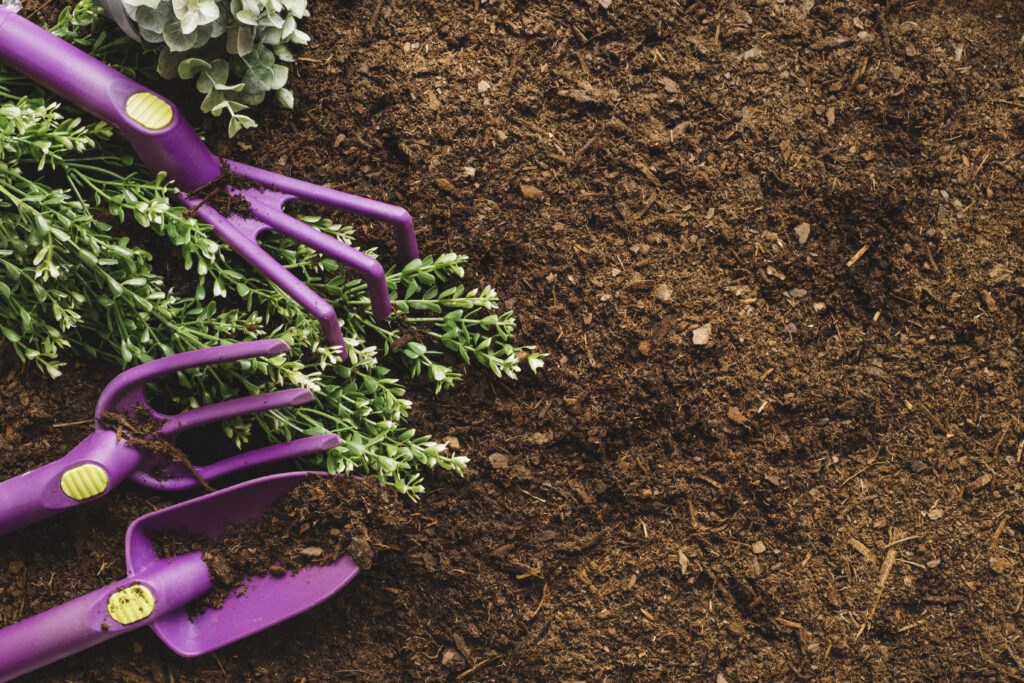
Amend your soil by working in compost. Compost is decomposed organic matter made from vegetable scraps, leaves, and grass clippings. It improves drainage in clay soils, adds water retention to sandy soils, and feeds soil microorganisms that make nutrients available to your plants. Work two to four inches of compost into the top twelve inches of your soil before planting.
Raised beds are an excellent solution when existing soil is poor, compacted, or heavily contaminated. Fill them with a mix of topsoil, compost, and a coarser material like perlite or aged bark to ensure good drainage and root penetration.
Planting Methods
There are two primary ways to establish plants: sowing seeds directly into the ground and starting seeds indoors to be transplanted later.
Direct sowing works best for plants that dislike being disturbed, such as carrots, beets, peas, beans, and radishes. Wait until the soil has reached the appropriate temperature for germination. Most warm-season crops need soil of at least 60°F or 15°C. Sow seeds at the depth recommended on the packet, usually two to three times the seed’s diameter.
Seed starting indoors gives you a head start on the growing season and is essential for long-season crops like tomatoes and peppers, which need eight to twelve weeks of indoor growth before outdoor temperatures are warm enough. Use a quality seed-starting mix, keep seeds moist until germination, and provide adequate light. A grow light positioned a few inches above seedlings prevents the leggy, weak growth that results from insufficient light.
Transplanting from indoor starts to the garden requires a process called hardening off. About one to two weeks before moving plants outside permanently, begin setting them outdoors for a few hours each day, gradually increasing their exposure to wind, direct sun, and temperature fluctuations. Skipping this step causes transplant shock and setback.
Watering Wisely
Water is essential, but more plants die from overwatering than from drought. The goal is consistency, not saturation.
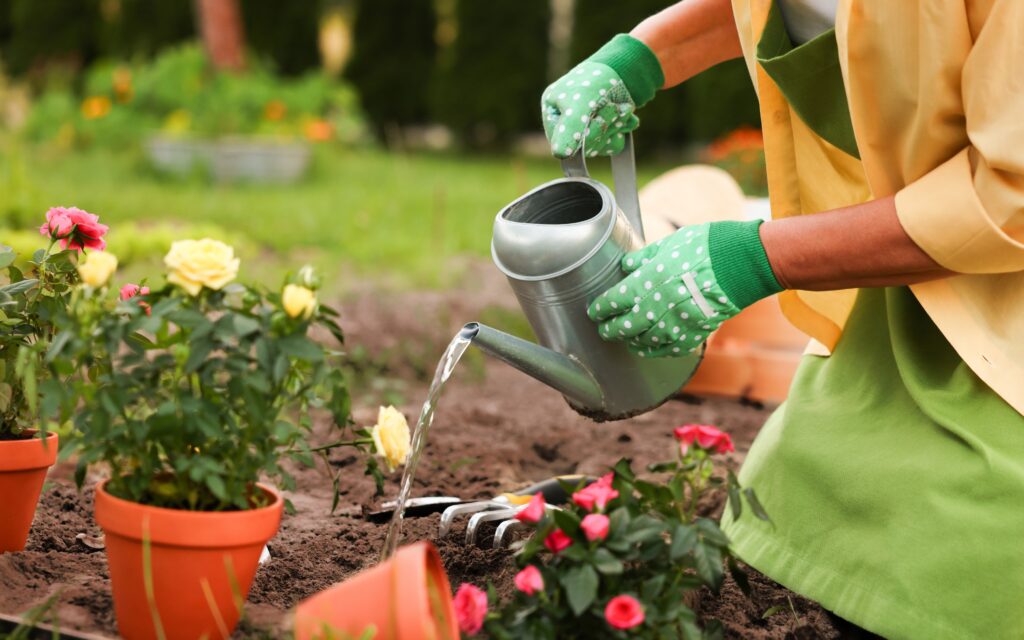
A general guideline for most vegetables is approximately one inch of water per week, either from rainfall or irrigation. Rather than watering a little every day, water deeply and less frequently. Deep watering encourages roots to grow downward in search of moisture, making plants more resilient during dry spells.
Check soil moisture by pushing your finger two inches into the soil near the plant’s base. If it feels dry at that depth, it is time to water. If it still feels damp, wait another day.
Drip irrigation and soaker hoses are among the most efficient watering methods because they deliver water directly to the root zone and keep foliage dry, which reduces fungal disease. If hand watering, water at the base of plants early in the morning so foliage has time to dry before nightfall.
Container plants dry out much faster than in-ground gardens and may need daily watering during hot weather. Check them every morning.
Important Box: Signs Your Plant Needs Attention
Yellow leaves often mean overwatering or nitrogen deficiency. Wilting in the morning points to root problems or severe drought. White powder on leaves is powdery mildew. Holes in leaves mean insects are feeding. Catching these signs early makes the difference between a quick fix and a lost plant.
Feeding Your Plants
Plants need three primary nutrients: nitrogen for leafy growth, phosphorus for root and flower development, and potassium for overall vigor and disease resistance. Fertilizer bags display these three numbers in order. A 10-10-10 fertilizer contains equal parts of all three.
Leafy greens and herbs benefit most from nitrogen-rich feeds. Fruiting plants like tomatoes and peppers need more phosphorus and potassium once they begin to flower. Switching to a balanced or high-potassium feed at this stage encourages fruit development rather than excessive leafy growth.
Organic options include compost tea, fish emulsion, seaweed extract, and worm castings. These release nutrients slowly and improve soil health over time. Synthetic fertilizers act faster but can leach from soil quickly and contribute to nutrient imbalance if overused.
Feed container plants more frequently than in-ground beds, as nutrients wash out with each watering.
Managing Pests and Diseases
A well-maintained garden naturally resists most problems. Healthy soil, proper spacing for airflow, and regular observation are your best defenses.
Inspect plants regularly. Catching an infestation of aphids or caterpillars early allows you to intervene before serious damage occurs. Many pests can be removed by hand or knocked off with a firm spray of water.
Introduce and encourage beneficial insects. Ladybugs, lacewings, hoverflies, and parasitic wasps all prey on common garden pests. Avoid broad-spectrum insecticides, which kill these allies along with the pests.
Crop rotation means moving plant families to different beds each year. This breaks pest and disease cycles that build up in the soil. Avoid planting tomatoes, peppers, and eggplants in the same spot two years running, as they are all susceptible to the same soil-borne diseases.
Fungal diseases like powdery mildew and blight thrive in humid, stagnant conditions. Space plants generously, prune overcrowded foliage, and water at the base rather than overhead.
Harvesting and Succession Planting
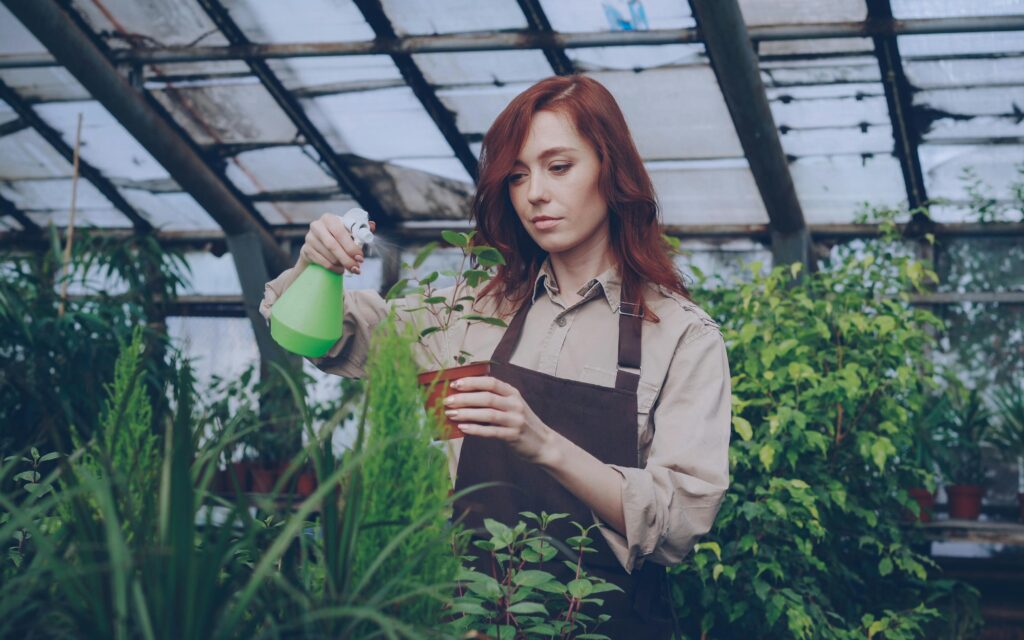
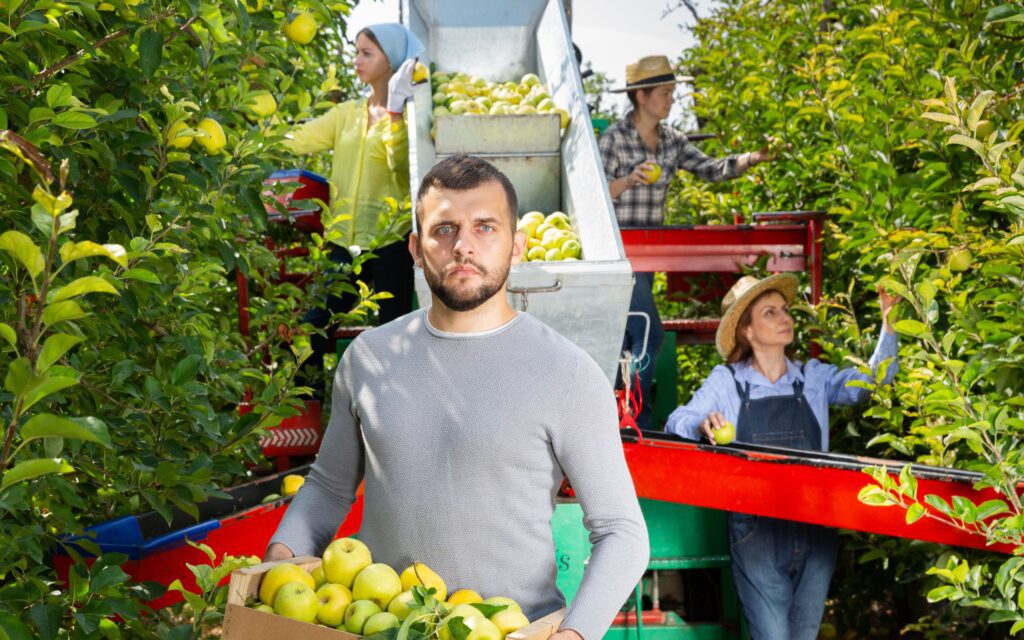
Harvest regularly. For most vegetables, regular picking signals the plant to continue producing. Leaving zucchini too long causes the plant to slow down fruit production. Cherry tomatoes should be picked as they ripen, as letting them linger invites splitting and pests.
Succession planting means sowing new seeds every two to three weeks to ensure a continuous harvest rather than one large glut. This works especially well for lettuce, radishes, beans, and cilantro, all of which have relatively short growing windows before they bolt in warm weather.
At the end of the season, clear spent plants promptly to prevent diseases from overwintering in the debris. Compost healthy plant material and dispose of any diseased plants away from the compost pile.
Building Long-Term Garden Health
Gardening is not a one-season project. It is a long-term relationship with your soil, your climate, and the living systems in your patch of earth. Each season teaches you something. Keep notes. Record what worked, what failed, when you planted, and when you harvested. Over time, this garden journal becomes one of your most valuable tools.
Add organic matter to your soil every year. Spread compost in autumn after clearing beds, or apply it as a mulch in spring. The activity of earthworms and soil microorganisms will work it into the soil naturally.
Embrace experimentation. Try a new variety each season. Attempt a crop you have never grown before. Some of the most satisfying harvests come from taking a risk on something unfamiliar and watching it thrive under your care.
Growing a garden is never just about the food or the flowers. It is about learning patience, building observation skills, and developing a deeper connection to how living things grow. Start small, pay attention, and let the garden teach you. Bookmark this grow a garden wiki and come back to it each season. The best gardeners never stop learning.
Comparison: Ground Garden vs Raised Bed vs Container Garden
| Feature | Ground Garden | Raised Bed | Container Garden |
|---|---|---|---|
| Space Required | Large | Medium | Very Small |
| Startup Cost | Low | Medium | Low to Medium |
| Soil Control | Difficult | Easy | Full Control |
| Drainage | Depends on soil | Excellent | Excellent |
| Weed Pressure | High | Low | Very Low |
| Best For | Large harvests | Most beginners | Balconies, patios |
| Watering Frequency | Low | Medium | Daily in summer |
| Mobility | None | None | Fully portable |
Frequently Asked Questions
1. How much space do I need to start a garden? You do not need a large space at all. A single raised bed measuring four feet by four feet is enough to grow lettuce, herbs, radishes, and a cherry tomato plant. Many successful gardeners start with nothing more than a few containers on a balcony or patio.
2. When is the best time to start a garden? The right time depends on your climate and what you want to grow. Cool-season crops like lettuce and peas can go in the ground weeks before the last frost. Warm-season crops like tomatoes and peppers should only go outside once all frost risk has passed and nights stay consistently above 50°F or 10°C.
3. How often should I water my garden? Most vegetable gardens need about one inch of water per week. Rather than light daily watering, water deeply two to three times a week so moisture reaches the root zone. Always check soil moisture by pressing a finger two inches into the ground before deciding to water.
4. What is the easiest vegetable to grow for beginners? Radishes are among the easiest vegetables to grow. They germinate quickly, take up little space, and are ready to harvest in as few as three weeks. Lettuce and zucchini are close runners-up and are equally forgiving for first-time growers.
5. Do I need special tools to start a garden? You need very little. A trowel for planting, a watering can or hose, and a hand fork for loosening soil will get you through your first season. As your garden grows, you can add tools gradually based on what your space actually requires.
6. Why are my plant leaves turning yellow? Yellow leaves are usually a sign of overwatering, poor drainage, or nitrogen deficiency. Check that your soil drains well and that you are not watering more than the plant needs. If drainage is not the issue, a balanced fertilizer with adequate nitrogen should restore healthy green color within a week or two.
7. Can I grow a garden in containers? Absolutely. Containers are ideal for balconies, patios, and small spaces. Use pots at least twelve inches deep for most vegetables and ensure every container has drainage holes. Container gardens dry out faster than ground beds, so check moisture levels daily during warm weather.
About The Author