
Introduction
How to Start a Garden feels overwhelming but it doesn’t have to be. A small space on a balcony or a tiny backyard patch works perfectly. You don’t need acres or expensive equipment. How to Start a Garden begins with observing your sun exposure and picking a few vegetables your family loves. Soil quality matters more than fancy tools. Add compost and mulch to feed the ground. How to Start a Garden also means choosing beginner-friendly crops like lettuce, radishes, or zucchini.
Water deeply but less often. Watch for pests but don’t panic. Gardening is a journey not a race. How to Start a Garden successfully requires patience and a willingness to learn from mistakes. Start tiny, stay curious, and celebrate every harvest. Your first tomato will taste like pure magic. How to Start a Garden today and transform your outdoor space into a productive, joyful sanctuary.
1. Start Small – Why Tiny Gardens Win Every Time

A massive plot overwhelms new gardeners. Weeds take over fast. You lose motivation by July. How to Start a Garden correctly means embracing small beginnings.
A modest space like two 4×8 raised beds or a handful of containers lets you learn without stress. Small space gardening teaches you watering rhythms. Gardening on a balcony or rental property works beautifully. Trust me less is more.
2. Choose the Best Location (Sun, Wind & Access)
Walk around your yard with a notebook. How to Start a Garden demands finding the sunniest spot. Most vegetables need six to eight hours of direct sunlight. Watch where the shade falls from trees and fences.
A south-facing garden works best in the USA. Ensure a water source like a spigot sits close by. Avoid windy corners that dry out soil. How to Start a Garden also means considering seasonal shifts. Winter sun sits lower so plan for year-round sun exposure.
3. Raised Beds vs In-Ground – Style, Cost & Your Space
Raised beds vs in-ground is a classic debate. How to Start a Garden with raised beds offers better soil quality control and fewer weeds. They cost more though. Wood beds from cedar or redwood last years.
In-ground gardening costs almost nothing. You simply amend native soil with compost. How to Start a Garden for perennial flowers and fruit trees often works better in-ground. Renters might prefer containers on a balcony. Your budget and space decide the right path.
4. Plan Your Layout – Pathways, Grids & Efficient Spacing
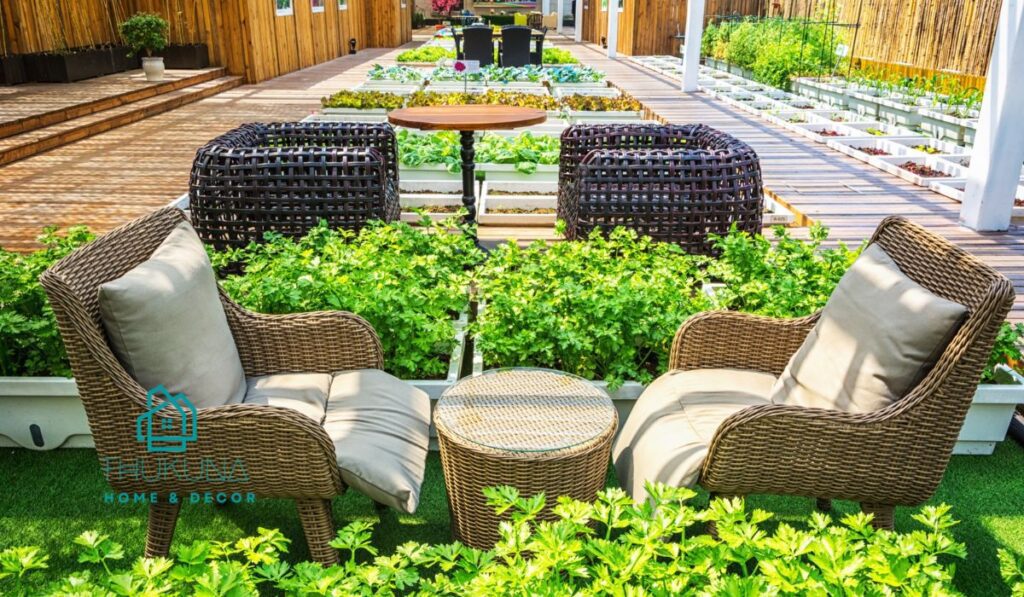
Plan a layout before you build anything. How to Start a Garden without a map leads to chaos. Grab a tape measure and graph paper. Measure space accurately. Standard raised beds are 4×8 feet.
Pathways need 28 to 48 inches of width. How to Start a Garden with a north-south orientation minimizes shading between plants. Use rope or stakes to test your layout on the actual ground. Thoughtful planning saves years of frustration.
| Layout Element | Recommended Size | Why It Matters |
|---|---|---|
| Bed width | 4 feet max | Easy to reach center |
| Bed depth | 15-18 inches | Root room for veggies |
| Pathway width | 28-48 inches | Wheelbarrow access |
| Orientation | North-south | Equal sun for all plants |
5. Prepare the Area – Clearing, Tilling & Weed Control
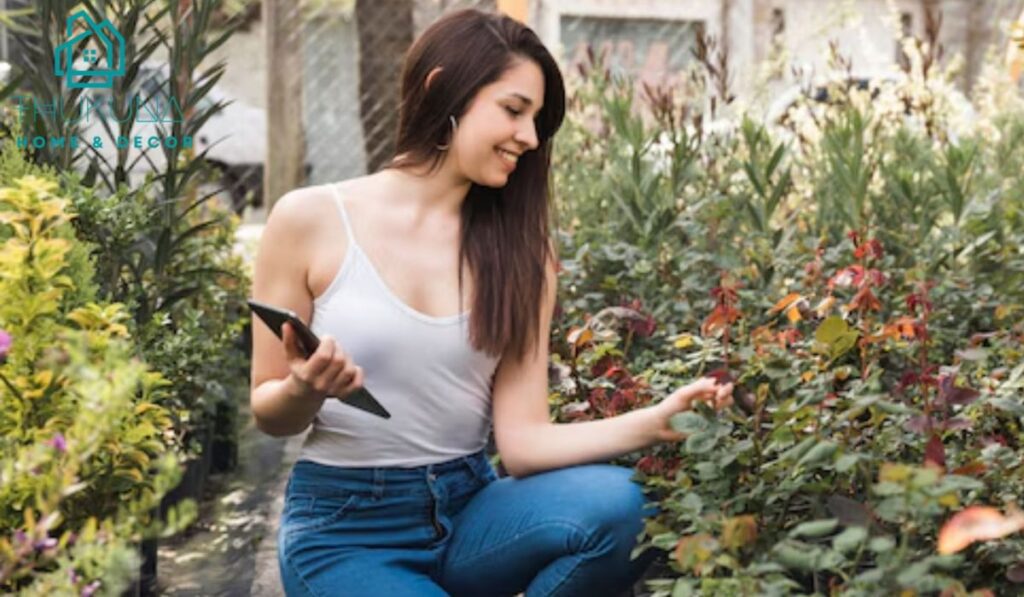
Prepare the area by removing grass and weeds. Starting on a clean slate prevents endless weeding later. Smother grass with cardboard or a tarp for several weeks.
Leveling the ground prevents water pooling. Install edging like steel edging to define your new garden. A rock border or edging keeps gravel and mulch in place. Do not till soil unless it is compacted.
6. Ground Cover and Pathways (Landscape Fabric vs Cardboard)
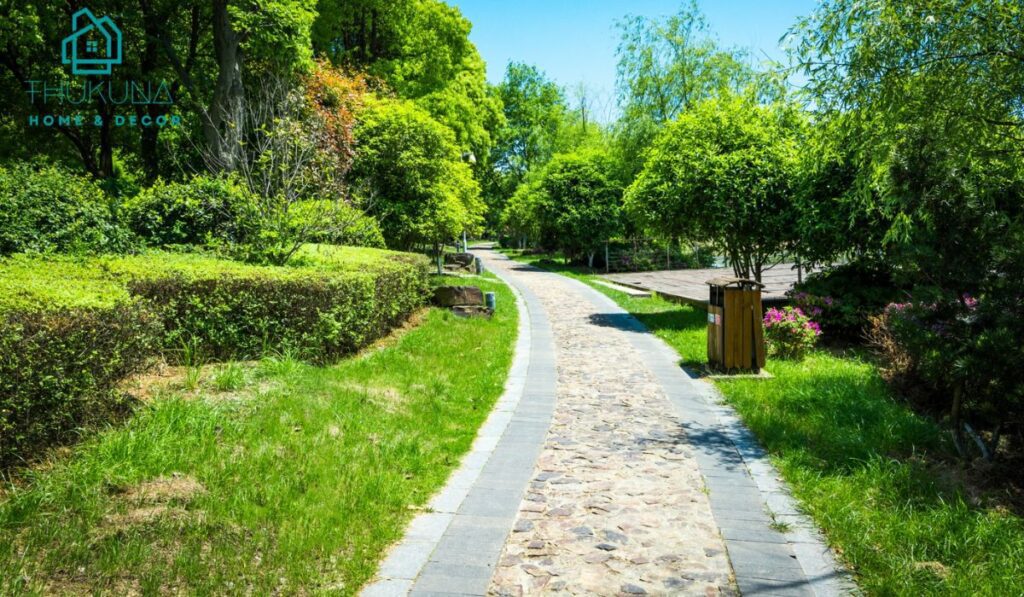
Ground cover stops weeds between your beds. Landscape fabric vs burlap vs cardboard depends on your goals. Commercial grade landscape fabric lasts for years under gravel.
Cardboard and burlap are natural options. Gardening organically means choosing biodegradable materials. Use them under wood chips or bark around fruit trees. Crushed rock or pea gravel creates permanent pathways. Adding stepping stones adds charm.
7. Invest in Your Soil – The Single Most Important Step
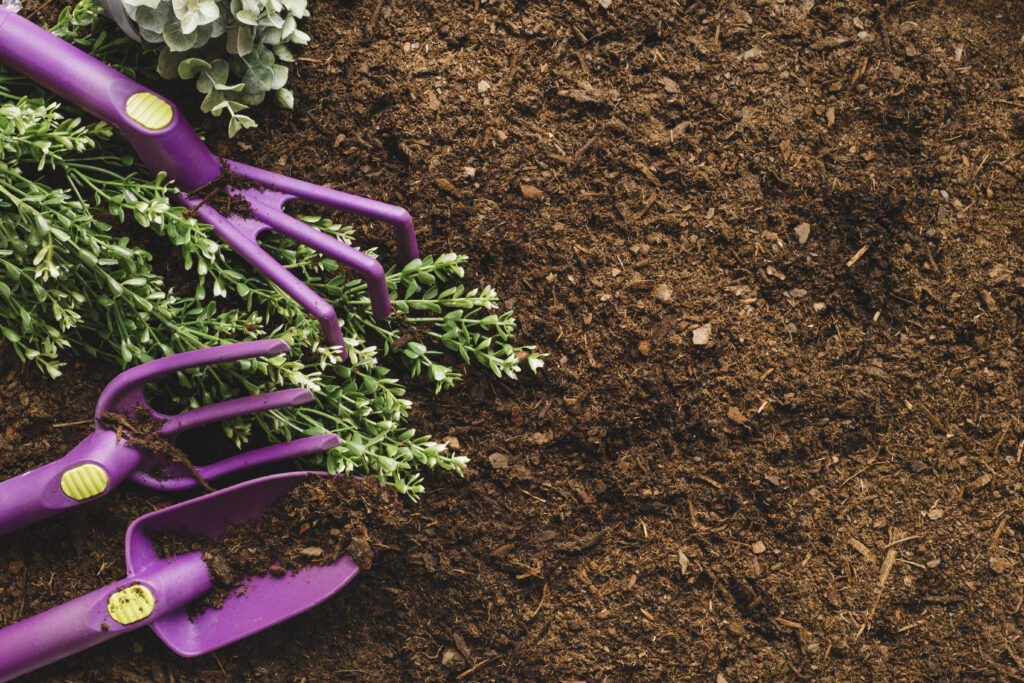
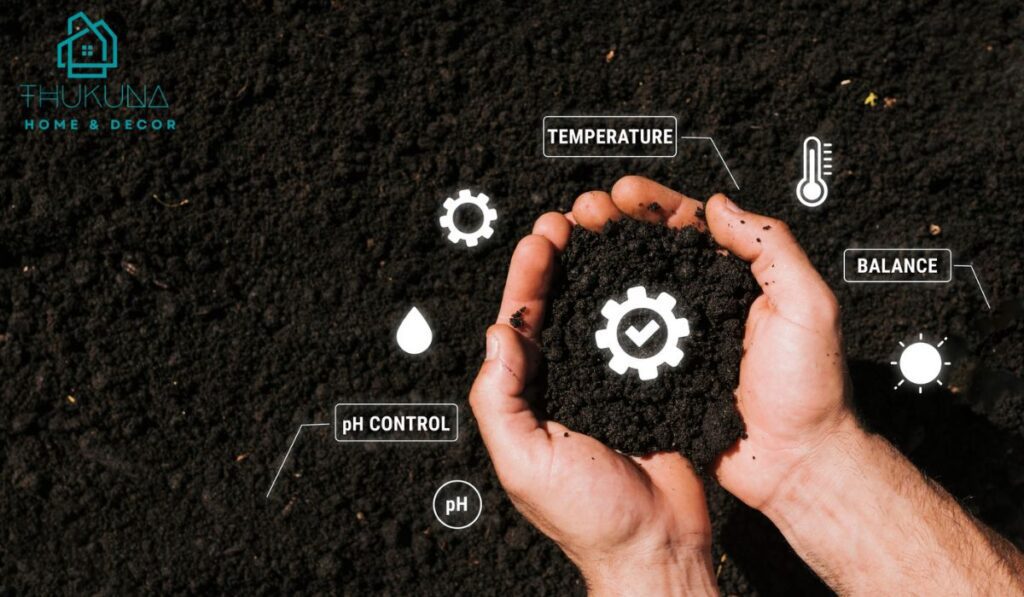
Invest in your soil because healthy dirt grows healthy plants. Poor soil quality guarantees failure. For raised beds, mix 60-70% quality soil with 20% compost and 5-10% aeration like pumice or lava rock.
For in-ground beds, amend native dirt with compost and organic fertilizer. Avoiding synthetic fertilizers protects beneficial insects. Add worm castings or compost tea for a boost. Living soil gets better each year.
8. Know Your Growing Zone and Frost Dates
Know your zone before you plant a single seed. Ignoring the USDA hardiness zone is a common mistake. Enter your zip code online to find yours.
First and last frost dates vary by region. Gardening in zone 9 allows year-round growing. In zone 4, wait until late May. Timing everything right is crucial. A growing zone map is your best friend.
9. Seeds vs Seedlings – Where to Get Plants for Less
Seeds vs seedlings each have advantages. Beginners benefit from seedlings at first. Seeds cost less and offer hundreds of varieties.
Buy from local nursery or CSA farmers at the farmers market. Local varieties mean better climate performance. Avoid big box store plants grown far away. Start with seedlings your first year then experiment with seeds later.
10. What to Grow – Easy Vegetables, Flowers & Pollinator Plants
What to grow should make you hungry. Beginner-friendly crops build confidence. Zucchini, cherry tomatoes, green beans, radishes, and leafy greens like kale and lettuce are perfect.
Cosmos, calendula, zinnia, and lavender attract bees and butterflies. Pollinator zones around your vegetables increase harvest size. Companion planting naturally deters pests.
| Beginner Crop | Days to Harvest | Best Season | Notes |
|---|---|---|---|
| Radishes | 25-30 | Spring/Fall | Grow in 4 weeks |
| Leafy greens | 30-45 | Spring/Fall | Cut and come again |
| Zucchini | 50-60 | Summer | One plant feeds a family |
| Cherry tomatoes | 60-70 | Summer | Endless harvest |
| Green beans | 50-60 | Summer | Bush or pole types |
11. Watering Tips That Save Time and Prevent Disease
Watering tips can save your garden from disaster. Deep watering once or twice a week beats a daily sprinkle. Deep watering encourages roots to grow down.
Drip irrigation or soaker hoses deliver water right to roots. A moisture meter takes the guesswork out. Stick your finger into the soil. If the top inch feels dry water deeply. Mulch like straw reduces evaporation.
12. Think About Wildlife (Fencing, Netting & Natural Deterrents)
Think about wildlife before they eat your dinner. Without gopher proofing you risk losing plants overnight. Deer, rabbits, and gophers destroy gardens.
Deer fence needs to be at least 8 feet tall. Insect netting and hoops protect young seedlings from birds and cabbage moths. Row covers let light and water through. A pest plan prepared beats crying later.
13. Keep It Organic, Not Perfect – Embrace Imperfection
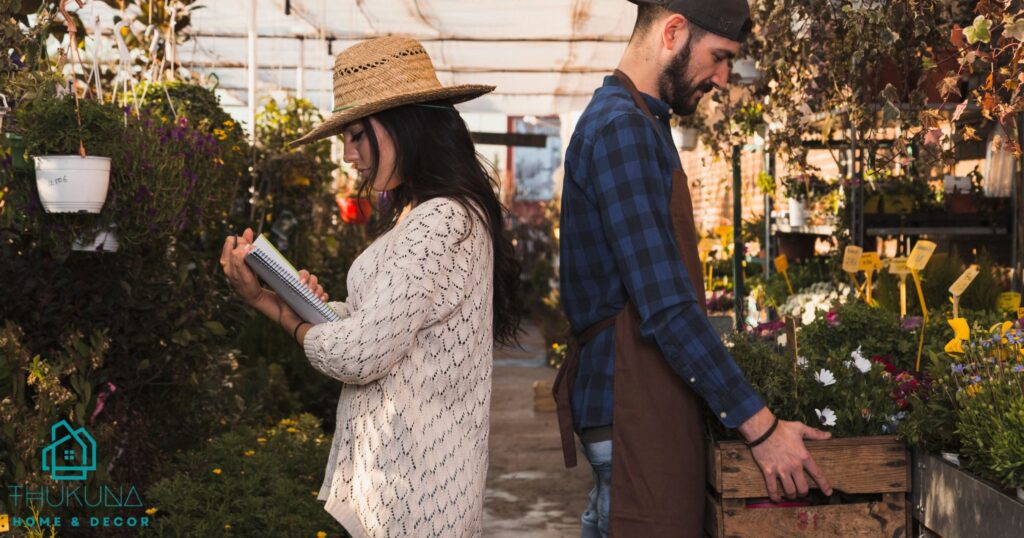
Keep it organic for your health and the planet. No pesticides means beneficial insects like ladybugs survive. They eat aphids for you.
Soap spray kills aphids gently. Embrace imperfection because gardens are wild not sterile. Some leaves will have holes. That is fine. Gardening should be fun.
14. There’s Always Next Year – Learning from Mistakes
There’s always next year so do not quit after failures. Gardening mistakes are lessons. I have killed hundreds of plants. Every learning moment made me better.
Successful harvest comes from patience not perfection. A too big garden overwhelms new gardeners. A manageable size like a community garden plot of 10×10 feet is plenty. A time commitment of 15 minutes a day works.
15. Small Vegetable Garden Secrets (Vertical Growing & Local Tips)
Small vegetable garden secrets change everything. Use trellises to grow up not out. Vertical gardening doubles your space without expanding.
Buy local varieties from CSA farmers. Their advice saves years of trial and error. Ask them about underperforming varieties to avoid. Gardening fulfillment comes from tiny daily moments. Drink morning coffee with garden view. Harvest fresh vegetables for dinner. Starting a garden is just the first step of a lifelong joyful journey.
FAQs
What is the best way to start a garden?
Start small with a few containers or a 4×4 raised bed in a sunny spot. Use quality potting mix and easy crops like lettuce, radishes, or cherry tomatoes.
Can gardening lower cortisol?
Yes, gardening reduces cortisol levels by promoting mindfulness, physical activity, and exposure to nature. Studies show just 30 minutes of gardening significantly lowers stress hormones.
Which plant will grow in 7 days?
Radishes germinate and show leaves within 3-5 days and are ready to harvest in about 25 days. Other fast sprouters include lettuce, arugula, and bean sprouts (7 days for edible sprouts).
Can gardening lower cholesterol?
Gardening indirectly lowers cholesterol through increased physical activity and access to fresh, fiber-rich vegetables. Regular gardening helps manage weight and heart health.
What is the number one fruit that kills bad cholesterol?
Avocados top the list for lowering LDL (bad) cholesterol due to their monounsaturated fats and beta-sitosterol. Eating one avocado daily significantly improves cholesterol profiles.
What is the 80 20 rule for high cholesterol?
Eat heart-healthy foods 80% of the time and allow less healthy options 20% of the time. This balanced approach helps manage cholesterol without feeling deprived.
What reduces cholesterol quickly naturally?
Increasing soluble fiber from oats, beans, and flaxseed can lower LDL within weeks. Regular aerobic exercise and replacing saturated fats with olive oil also act fast.
What are the 6 worst foods for cholesterol?
Fried foods, processed meats (bacon, sausage), butter, full-fat dairy, baked goods with trans fats, and fast food burgers. These raise LDL and lower HDL cholesterol.
What single food can you survive on the longest?
Potatoes provide essential carbohydrates, vitamin C, potassium, and some protein. With added butter or milk for fat and vitamins, humans have survived on potatoes for months.
About The Author